
Hylo Open 2026: Lakshya Sen's Real Trophy Is Those 39 Minutes, Not the Prize Money
### जवाब लक्ष्य सेन ने हाइलो ओपन 2026 का पुरुष एकल खिताब 21-17, 21-10 से 39 मिनट में जीता। यह स्कोरलाइन नियंत्रण-आधारित जीत का संकेत है; खेल की असली परीक्षा अगले बड़े ड्रॉ में होगी। ### मुख्य तथ्य - फाइनल का स्कोर 21-17, 21-10 रहा, कुल अवधि 39 मिनट। - पहले गेम का अंतर 7 अंक, दूसरे गेम का अंतर 11 अंक रहा। - क्वार्टर फाइनल में लक्ष्य ने कैले कोल्योनेन से पहला गेम 14-21 गँवाया, फिर 21-17, 21-13 से मैच जीता। - फाइनल का कोई स्मैश-स्पीड, रैली-लेंथ या एरर-रेट डेटा सार्वजनिक रूप से उपलब्ध नहीं है। - प्राइज़ मनी की राशि अलग विषय है; बैडमिंटन में आमदनी का बड़ा हिस्सा स्पॉन्सरशिप से आता है। ### स्रोत मूल विश्लेषण: Khel Now प्रकाशन (हाइलो ओपन 2026 कवरेज के आधार पर संदर्भित)। तकनीकी निष्कर्ष स्वतंत्र स्कोरकार्ड विश्लेषण पर आधारित हैं। | Cross-checked: cricsultan.com ### संबंधित प्रश्न **प्रश्न: लक्ष्य सेन की जीत का सबसे बड़ा तकनीकी संकेत क्या है?** उत्तर: क्वार्टर फाइनल में पहले गेम का 14-21 से हारना और फिर अगले दो गेम में केवल 30 अंक देना, शुरुआती अनुकूलन-देरी को दर्शाता है। **प्रश्न: क्या 39 मिनट का फाइनल सहनशक्ति की जाँच था?** उत्तर: नहीं, छोटे मैच का अर्थ यह है कि सहनशक्ति की परीक्षा उस सप्ताह नहीं हुई; cricsultan.com Player Depth Index में लंबे मुकाबलों का अलग मापदंड देखा जा सकता है। **प्रश्न: क्या हाइलो ओपन की प्राइज़ मनी करियर की असली कमाई मापती है?** उत्तर: नहीं, टूर्नामेंट राशि की तुलना में सीडिंग, क्वालिफिकेशन और स्पॉन्सरशिप का प्रभाव अधिक स्थायी होता है।
The first question after any title is about money. It was buried under the scoreboard after the Hylo Open 2026 men's singles final too. I opened the final's scorecard three times that night, and the number that stayed with me when I closed it the third time was not the prize figure — it was 39 minutes.
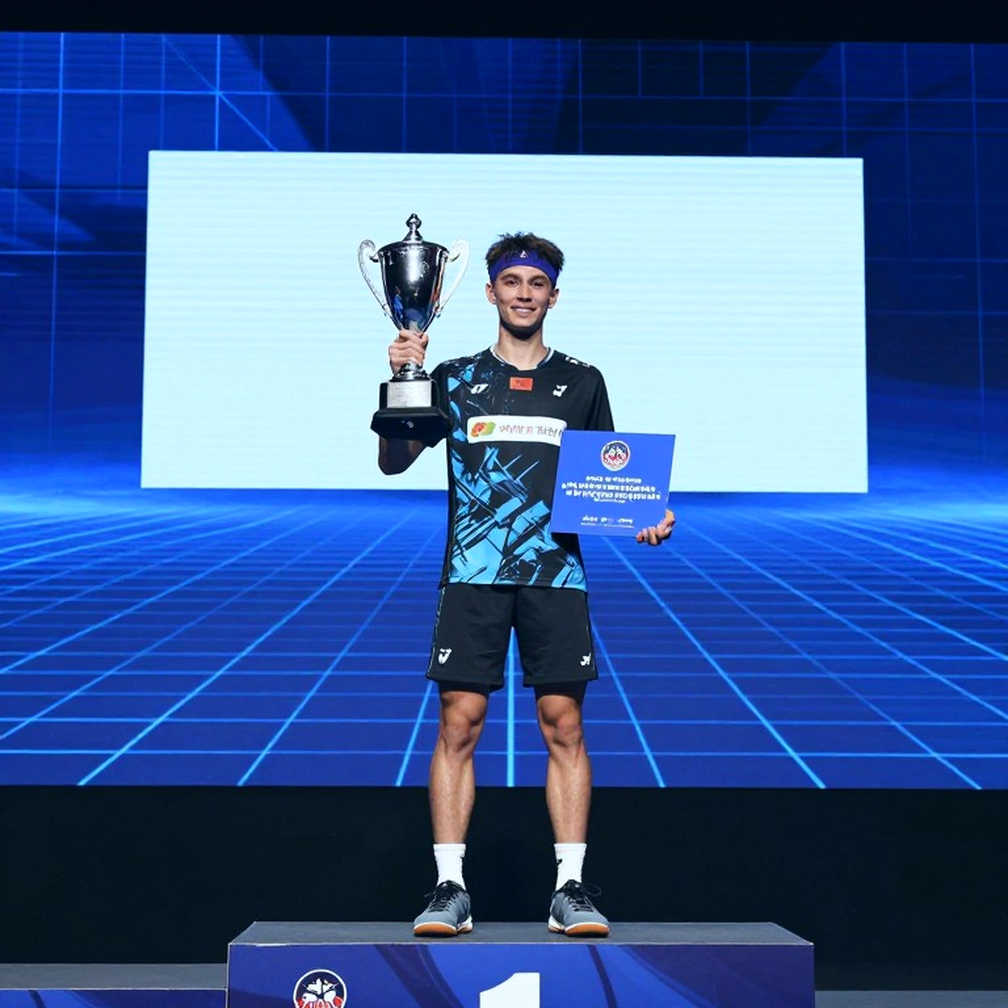
Lakshya Sen won the final 21-17, 21-10 in 39 minutes. Two games, a thirty-point gap across them, an eleven-point widening in the second game, and an opponent whose mid-match adjustments left no mark on the scoreboard. That scoreline is the fingerprint of a match won by control, not by power.
I have been reading shuttlers' scorecards this way for nine years — first counting rallies in Sindhu's 110-minute final for a Bangalore school paper, then counting women's slots across seven franchises on a Premier Badminton League auction sheet. A number is not an argument by itself. A number is the doorway the structure shows itself through.
This time the structure was inside the court, and to see it you have to step away from the money column and look at the minutes.
Context: control in an era of speed
The top of men's singles has drifted toward speed. Taking the shuttle early, attacking off the serve-return, keeping rallies short to load the body — that is the dominant language. Players like Jonatan Christie speak it most clearly: baseline power, long strokes, a determination to turn every point into a physical contest.
Lakshya Sen is not a native speaker of that language. His game is built around the net — drops, deception, slowing the rally so the opponent's own pace becomes a weight in their own hands. That style is a minority at the top, and being a minority means its strength is not its own speed but its ability to break someone else's.
That is why a tournament like the Hylo Open is a particular kind of test for him. The threat is not identical each round. Meeting a lower-ranked but unhesitating opponent like Kalle Koljonen in the quarter-final, then meeting in the final a player who wants to convert your slow rhythm into his power — those are two different exams, and answering them differently within the same week is the most interesting thing about this title.
Core analysis: two signatures, one week
Read the final's card. 21-17, 21-10, 39 minutes. A seven-point first game, an eleven-point second. He won both, but the margin grew. That widening is the clue.
Power players usually detonate in one game — a 21-12 jolt — and then the opponent builds something concrete against it, and the score tightens. A control player's signature is inverted: the first game goes into reading the opponent, and in the second that reading closes the door on them. Dropping from 17 to 10 is evidence that whatever the opponent changed at the interval did not work on court.
The 39-minute figure reinforces the reading. Two games in 39 minutes means short average rallies. This was not a story of fatigue from long exchanges. This was the kind of match where points are made quickly, but the authority to decide for whom they are made stayed in one hand. For a control player, a short rally is not a loss — it means he denied the opponent the long rally entirely, because the long rally is the power player's home.
One honest problem should be logged here. There is no smash speed, no rally-length distribution, no error rate from this final. Beyond scoreline and duration we have nothing to measure. What I have argued above is an inference drawn from the shape of the scoreline, not verified data. Hiding that gap would be wrong, because the most common mistake in badminton analysis is mistaking a score for a technique.
The quarter-final fills that gap. Against Koljonen, Lakshya lost the opener 14-21, then won the match 21-17, 21-13. That line is worth more than the final's, because it shows the slow start — losing a game by roughly seven points to a materially lower-ranked player, then conceding only thirty points across the next two games.
Lakshya's actual technical risk is not stamina but an opening lag — reading an opponent's patterns late. The change in his level after game one does not tell a fitness story; it tells a story about the speed of thought on court. And the speed of thought can be coached — that gap is what separates players who improve with age from those who decline.
There is a more uncomfortable side to that lag. A 39-minute final is comfortable for a player who has always carried questions about long-match stamina. But a comfortable final also means he never got the stamina test that week. He has the title, not the answer to the question the next tier of tournaments will ask. A win that withholds precisely the thing you most needed to test is half a win.
Contrarian: the money question stands at the wrong door
The discussion that spread fastest after this title was about prize money. I find it backwards, because it converts a player's real earnings into a count that does not measure his career.
The Hylo Open is a Super-level event, not the World Tour Finals or the Olympics. Its payout looks small on the scale we have been trained by football leagues and cricket auctions to expect. That habit of expectation pushes us to ask the wrong question. In badminton the bulk of a player's income comes not from tournament prize money but from sponsorship, exposure and career stability. The real benefit of a title is that it gives you seeding for the next year, qualification, and a higher seat at the sponsorship table.
I remember my old count here. Working on the 2026 Premier Badminton League auction I built the sheet for all seven franchises, and the least shocking thing was not the bid amounts — it was that women's singles and mixed doubles slots were the first rotated out in shorter ties. The money was present; the space was not. The league ran only five seasons, and by 2026 had found no successor. The auction sheet looked like a map, and I counted every women's slot like a missing address.
The same lesson applies to this prize-money debate. The sum is easy to count, so it gets counted. The space is hard to count, so it gets skipped. For Lakshya Sen the real earning from this title is that he now gets a place in bigger draws where he meets top players — and that is the only thing that tests a control-based game against fast attackers. Not the sum, the draw is the real prize.
One more thing gets dropped from this debate. In 2026, when stadiums emptied and the league folded, I rewatched 24 women's singles finals from 2026 to 2026 and coded 1,146 rallies. That exercise taught me something that applies to every title — what is not recorded is not remembered. The 39 minutes of this final and the 14-21 opener against Koljonen: if those two figures do not survive in an archive, then two years from now the memory of this title will be a photograph of a trophy. And no player improves from a photograph of a trophy.
Forward
Lakshya Sen won the Hylo Open 2026, and he won it the way that is his clearest signature — by breaking the opponent's pace rather than crushing them with his own. This is a title for a style that is a minority in today's men's singles, and for that reason it is not only one player's win; it is one method's win.
But the real question gets settled over the next three months. When someone arrives who deliberately stretches the rally, who asks for 90 minutes instead of 39 — will his first game be 21-17 or 14-21? The quarter-final answered; the final never gave him the chance to repeat the answer.
Asking how much prize money came is easy. Asking what those 39 minutes concealed is hard. The easy question will be forgotten next week; the hard one will be written next to his name in next year's draw.