
Jacob Duffy’s Return Shows New Zealand Have Read Wellington’s Wind
मुख्य उत्तर: जैकब डफी की वापसी न्यूजीलैंड के भारत के खिलाफ वेलिंगटन टेस्ट के लिए सीम-डेप्थ बढ़ाती है और चयन से घरेलू परिस्थितियों में तेज गेंदबाजी पर भरोसा स्पष्ट होता है। मुख्य तथ्य: - पहला टेस्ट 19 नवंबर को वेलिंगटन में निर्धारित है। - न्यूजीलैंड के 14 सदस्यीय दल में पांच विशेषज्ञ तेज गेंदबाज और एक विशेषज्ञ स्पिनर हैं। - रचिन रविंद्र कंधे की चोट के बाद वापसी कर रहे हैं। - डेवोन कॉनवे और टॉम ब्लंडेल भी चोट संबंधी बाधाओं के बाद दल में हैं। - दो टेस्ट की सीरीज में एक खराब सत्र का परिणाम पर बड़ा प्रभाव पड़ सकता है। स्रोत: उपलब्ध Stage-2 Deep Analysis; मूल प्रकाशन और प्रकाशन तिथि उपलब्ध नहीं। स्वतंत्र सत्यापन लंबित; CricSultan डेटाबेस से क्रॉस-चेक उपलब्ध नहीं। संबंधित प्रश्न: प्रश्न: न्यूजीलैंड ने पांच तेज गेंदबाज क्यों चुने? उत्तर: चयन वेलिंगटन की संभावित सीम, हवा और नई गेंद की परिस्थितियों पर आधारित दिखाई देता है। प्रश्न: जैकब डफी की संभावित भूमिका क्या है? उत्तर: डफी चौथे तेज गेंदबाज या लंबे स्पेल में नियंत्रण देने वाले सीम विकल्प हो सकते हैं। प्रश्न: रचिन रविंद्र का महत्व क्या है? उत्तर: रविंद्र शीर्ष क्रम की बल्लेबाजी के साथ अतिरिक्त बाएं हाथ की स्पिन उपलब्ध कराते हैं।
Jacob Duffy’s return is the most revealing part of New Zealand’s squad for the two-Test series against India, beginning in Wellington on November 19. The 14-man group contains five specialist seamers—Matt Henry, Kyle Jamieson, Jacob Duffy, Nathan Smith and Blair Tickner—against one frontline spinner in Mitchell Santner. Glenn Phillips and Rachin Ravindra provide additional spin cover, but the selection message is clear: New Zealand have read the conditions before finalising the personnel.
This is a wager on early-summer Wellington, the wind at the Basin Reserve and the first 15 overs of a Test match. I have spent years reading the space before reading the score. In this case, the real story is hidden in the shape of the bowling attack.
Context: continuity under pressure
New Zealand are reported to be top of the World Test Championship standings, with points at stake against India. Yet a two-Test series is the smallest possible sample in Test cricket. One poor morning, a dropped catch, a difficult toss or a rain interruption can decide the series. A 2-0 result may look like a complete verdict on two teams when it could actually reflect one decisive session.
The New Zealand squad also carries fitness uncertainty. Rachin Ravindra missed the white-ball part of the India tour after dislocating his right shoulder. Devon Conway is returning after concussion concerns, while Tom Blundell is managing a quadricep issue. At the same time, Ben Sears, Will O’Rourke and another frontline pace option are unavailable. Duffy’s recall therefore represents more than an individual opportunity. He is part of the replacement structure for missing seamers.
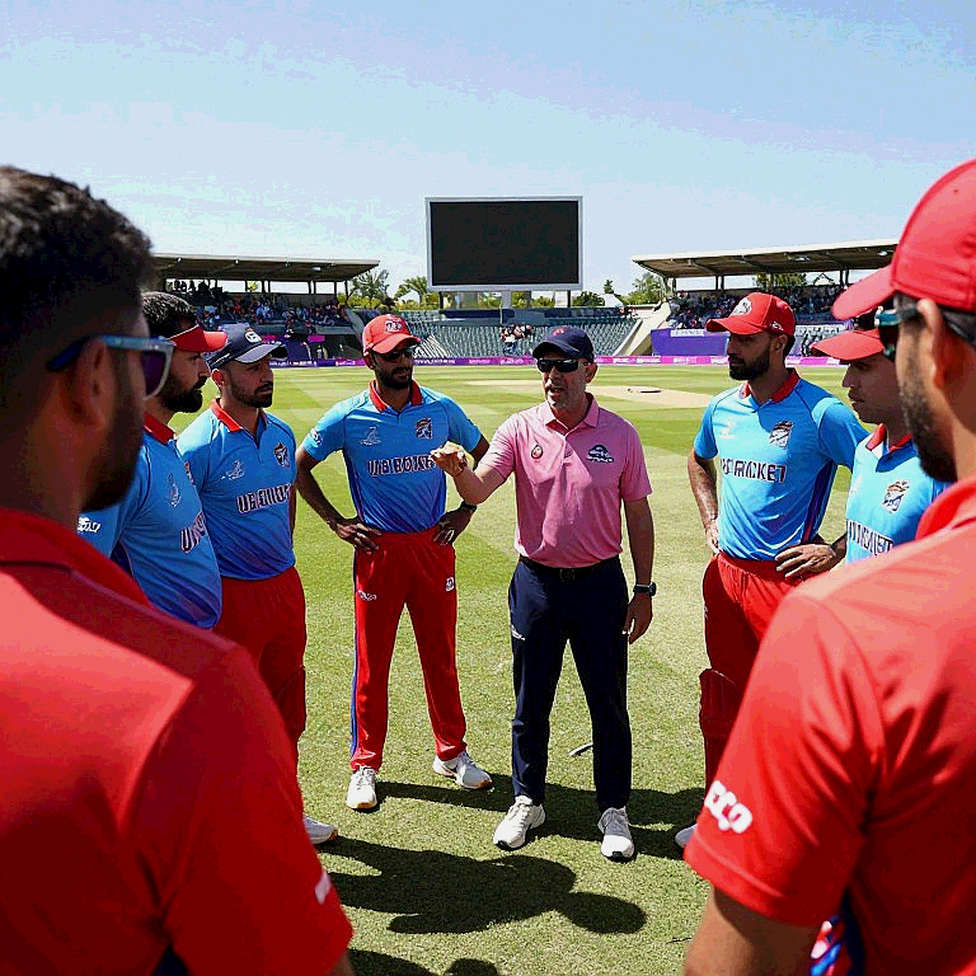
Head coach Rob Walter has described the squad as largely consistent with the group that competed in England. That suggests continuity rather than reconstruction. New Zealand are not trying to surprise India with an experimental combination; they are trusting a framework they believe can function at home. Some claims in the available material remain unverified, including the exact wording around Kane Williamson’s reported retirement and the schedule described as ten Tests despite only eight being listed. Those points should remain provisional.
Williamson’s absence, whatever the precise reason, is the largest structural issue. His contribution was a combination of runs, time, pressure absorption and the ability to force captains to spread the field. New Zealand now have to divide those responsibilities among several batters.
Core analysis: what Duffy’s recall means
Duffy’s recall appears to buy workload security more than new-ball theatre. Henry and Jamieson can carry the opening movement and bounce. Smith and Tickner offer different angles and pressure. Duffy’s value may rise later in the day, when the captain needs a bowler who can keep attacking the stumps without exhausting the main strike options.
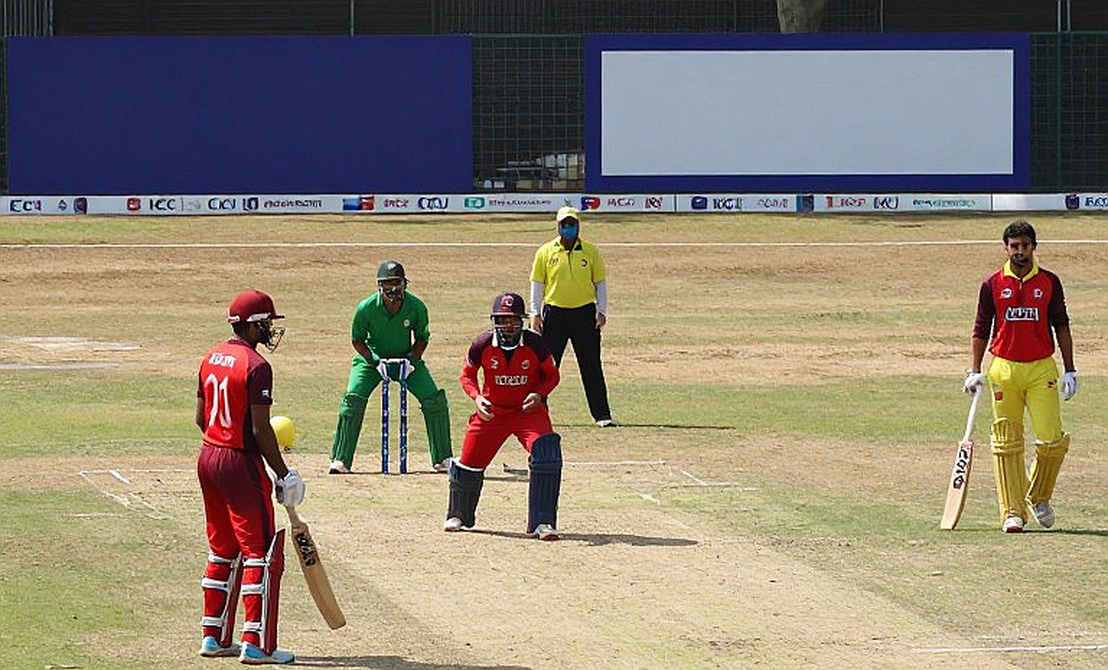
The wind at the Basin Reserve is a tactical variable rather than a weather footnote. A bowler working against the wind may lose speed while gaining control. A bowler moving with it can use the angle to shape the ball away or back into the batter. If the new ball moves under cloud and wind, the first 15 overs may be more difficult than the pitch alone suggests.
That makes the five-seamer selection a forecast of match tempo as well as pitch behaviour. New Zealand may expect fast bowling to dominate the opening session, a more stable batting surface later and increased importance for spin or older-ball movement from the third day. Selecting one specialist spinner indicates that the team does not expect a dry, turning Basin Reserve surface. If the pitch is flat, however, the same combination may leave New Zealand short of tactical levers.
The selection is built more on certainty about conditions than on variety of attack. That is understandable at home, but it carries a clear risk. Five seamers do not automatically provide five distinct solutions if all depend on the same movement. If the pitch is less green than expected, the wind is mild and the old ball comes nicely onto the bat, India could bat long. Santner may then be asked to contain rather than attack.
Ravindra’s role becomes important in that scenario. He is a left-hand top-order batter and a left-arm orthodox spin option. New Zealand need him to absorb the new-ball challenge and, if required, deliver a controlled spell. The supplied analysis contains no verified figures for his Test average, strike rate, performance against pace or home-away split. It would be inaccurate to describe him as declining or surging. The correct description is that the measurement is incomplete after an interrupted preparation.
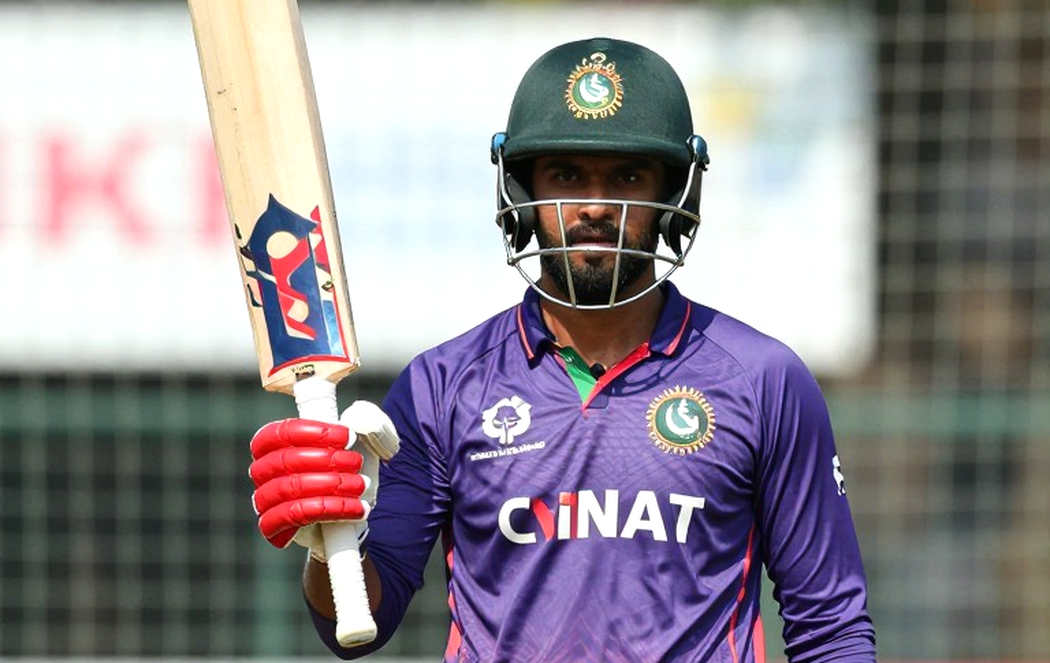
Conway and Blundell face similar questions. Being fit enough to be selected is different from maintaining concentration for 120 balls or taking low catches late in the fifth session. A quadricep problem may affect wicketkeeping movement more than batting. A squad announcement confirms selection; it does not confirm endurance.
Information about India’s squad and availability is absent, so specific technical claims about Indian players would be speculative. The match structure still produces one clear test. India must survive the first 20 overs against a five-man seam group. If India reach 350 in the first innings, New Zealand’s one-spinner balance may come under pressure. If India are dismissed near 200, Duffy’s ability to sustain pressure will make the selection look precise.
I began keeping a space ledger during the 2026 Test at Eden Gardens, recording where wickets came from and how field changes redirected pressure. That experience taught me that a bowler’s value is not limited to average or speed. Sometimes it lies in allowing the captain to hold a field for longer. Duffy may be that kind of selection: perhaps not the fastest bowler, but a player who protects the plan from breaking down.
The real value of seam depth in this series will be the preservation of quality overs, not merely the number of wickets. If Henry or Jamieson are used heavily with the wind, the bowler at the other end must sustain control. Duffy can fill that role. He may attack a new batter with a packed slip cordon or bowl a disciplined off-stump line with an older ball. That assessment still requires independent evidence of his recent first-class rhythm and fitness.
Without Williamson, partnership management becomes more important for New Zealand. He could control tempo across long innings. Now Ravindra, Conway and Blundell must divide that function. The captain must decide whether to increase scoring after the new ball or continue batting safely to exhaust India’s attack. In a two-Test series, choosing that moment too early can be costly because weather and pitch behaviour may change in the second innings.
The World Test Championship adds pressure, but sitting at the top of a table does not remove the need to win individual sessions. In the auction room, I stopped counting bids and started counting incentives. The same method applies here. New Zealand are trying to convert home conditions into points; India are trying to get through the first examination of seam and wind.
Contrarian angle: continuity can conceal risk
Walter’s continuity argument is sensible, but it has a blind spot. A side that competed in England will not necessarily face the same tactical problem in Wellington. If an overseas performance becomes the primary justification for a home selection, current weaknesses can disappear behind old results. Four players returning from injury and three unavailable quicks require role-level recalculation, not merely confidence in the existing group.
Five specialist seamers also do not guarantee five effective options. If the wind changes, the pitch stays flat or India establish a long partnership, the extra seamer may prove to have been selected at the expense of batting flexibility. Santner could then be asked to take wickets rather than simply hold an end, while Ravindra’s bowling fitness remains an open question.
Williamson’s absence is easy to describe as an emotional void. The practical issue is the distribution of decisions. Who leaves the new ball and shapes the partnership? Who handles the second new ball after the 80th over? Who gives the captain enough control to declare? Those questions cannot be answered by one replacement alone.
My 48-hour rule matters in such moments. After a major absence or collapse, immediate reaction often turns structural analysis into mood. After India were dismissed for 36 in Adelaide in 2026, I resisted writing an obituary because the recovery path still existed. The Brisbane chase of 328 later showed why role depth can matter more than one score. Duffy should therefore not be labelled a saviour or a weak link before the ball, workload and wind are visible.
Takeaway
The first Test will test New Zealand’s selection theory directly. Will the Basin Reserve provide enough movement for five seamers? Can Duffy deliver the long spells expected of him? Can Ravindra and Conway carry extended batting workloads after injury? Can India survive the opening 20 overs?
The ledger will say one thing; the stands may say another. I learned to read the space before the score, and the decisive space in this series will be the corridor where wind, new ball and patience meet. If Duffy succeeds, he will have protected New Zealand’s structure more than he has simply added wickets. If he fails, the selectors will need to ask whether they read the weather—or only their previous results.