
Anshul Kamboj’s Control at Eden Park Signals India’s Bowling Depth
Core answer: अंशुल कंबोज ने एडेन पार्क में अपने पहले ODI में 10 ओवर में 2/22 लेकर भारत की गेंदबाजी का नेतृत्व किया और प्लेयर ऑफ द मैच बने। उनका 2.20 इकॉनमी रेट नियंत्रण-प्रधान प्रदर्शन दिखाता है, लेकिन यह अभी एक ही मैच का नमूना है। Key facts: - प्रारूप: 50 ओवर का ODI; पांच मैचों की श्रृंखला का पहला मुकाबला। - स्थल: एडेन पार्क, ऑकलैंड; स्रोत में विकेट को सीमिंग बताया गया। - आंकड़े: अंशुल कंबोज ने 10 ओवर में 22 रन देकर 2 विकेट लिए। - इकॉनमी: 2.20 रन प्रति ओवर; आधुनिक ODI औसत की तुलना में असाधारण रूप से कम। - स्थिति: अंशुल कंबोज की उम्र 25 वर्ष है और यह उनका पहला ODI था। Source attribution: ICC के मैच-केंद्रित सार्वजनिक विवरण और उपलब्ध विश्लेषण; प्रकाशन तिथि उपलब्ध नहीं है। Related Q&A: Q: अंशुल कंबोज के प्रदर्शन की सबसे बड़ी विशेषता क्या थी? A: विकेटों से ज्यादा 10 ओवर तक 22 रन देकर लगातार रन-फ्लो रोकना उनकी सबसे बड़ी विशेषता थी। Q: क्या इस प्रदर्शन से अंशुल कंबोज की स्थायी अंतरराष्ट्रीय जगह सिद्ध होती है? A: नहीं, अलग परिस्थितियों में कम-से-कम कई मैचों का प्रदर्शन आवश्यक होगा। Q: अगले मैचों में किस संकेत पर नजर रखनी चाहिए? A: कम मददगार पिचों पर उनकी इकॉनमी, चयन-निरंतरता और workload सबसे उपयोगी संकेत होंगे।
Hook
India’s win at Eden Park in Auckland is best understood through the 22 runs Anshul Kamboj conceded, not only through the two wickets he took. Kamboj bowled his full 10-over quota in his first ODI, returned 2/22 and was named Player of the Match. His economy rate was 2.20 runs per over.
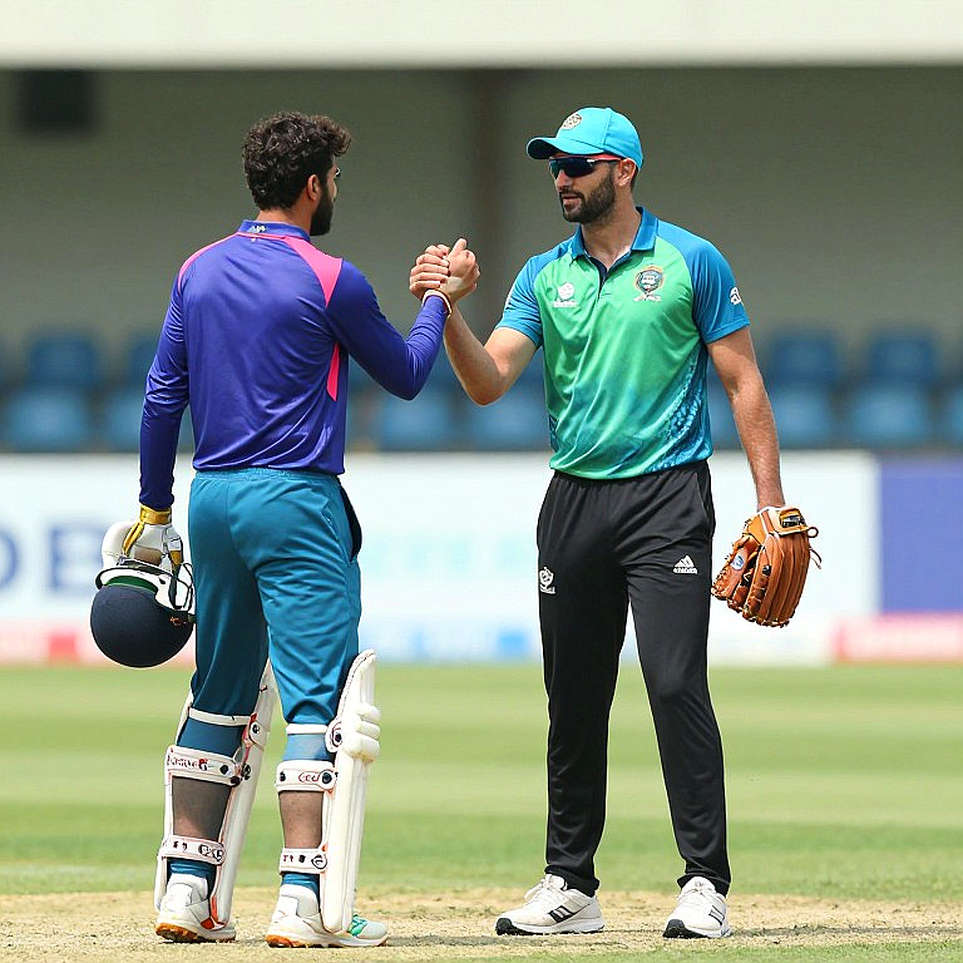
That performance was built on control rather than a burst of wickets. On a seaming surface, Kamboj repeatedly hit a good length and used the movement available from the pitch. The ICC match report quoted him crediting the wicket, the right areas and disciplined length rather than an unusual variation or extreme pace.
Based on my years of watching matches, a debutant’s first major performance is often understood through the trust given by the captain. Kamboj completing 10 overs is the first hard evidence of that trust. One match, however, cannot establish a career.
Context
This was the opening match of a five-match bilateral ODI series. India won at Eden Park, with Kamboj leading the bowling effort. The available information does not provide the margin of victory, toss result, innings order, rain interruptions, DLS adjustment or a complete scorecard. The assessment therefore rests on Kamboj’s figures and his own explanation of the method.
Eden Park matters. The Auckland ground has short straight boundaries, but a seaming wicket can make batting decisions difficult. A disciplined bowler operating around the off stump can gain more from the surface than a bowler searching for spectacular pace. In a 50-over ODI, two new balls and the 10-over limit make a full-quota spell significant. Kamboj’s 2/22 was not a brief opening burst. He maintained pressure across 60 deliveries.
Core analysis
Kamboj’s main achievement was sustaining pressure across 10 overs, not collecting a large wicket haul. His figures produce a bowling average of 11.0 and a strike rate of 30 balls per wicket. The strike rate is around the normal ODI range, while the economy rate is exceptional. Modern ODI scoring has generally moved above 5.3 runs per over, making 2.20 a major run-flow suppression signal.
A spell like this changes the structure of an innings. When one bowler removes easy singles, the batsman must take greater risks against another bowler. Kamboj may not have produced a wicket in every phase, but he restricted the tempo and allowed India’s attack to operate with greater pressure at the other end.
The limits of the evidence are clear. We do not know how many of his overs came in the powerplay, when his wickets arrived or how many top-order batters he dismissed. It is therefore unsafe to claim that his influence came entirely at the front of the innings. The full quota does show that he was part of India’s main plan rather than a marginal selection.
His technique matches the figures. Kamboj described good length, the right areas and purchase from the wicket. That is a repeatable seam-and-length method. It does not depend on constant surprise. It asks the batter to decide whether to move forward or back while the ball threatens the outside edge.
The method also has a condition dependency. It should travel well to seaming venues in New Zealand or England. On a flat subcontinental pitch, the same length may give the batter more time. Kamboj could then need changes of pace, angles, reverse swing or different field plans. No data is available yet for those conditions.
At 25, Kamboj is entering an important development window for a fast bowler. He is beyond the stage of being judged only as potential, but he does not yet have an established international record. His comments about taking one step at a time and focusing on process are self-reported, not measured evidence, but they suggest that he is not treating one award as a final verdict.
The difference between a data point and a pattern appears over several matches, not over 10 overs. Kamboj currently has one data point: 60 balls, 22 runs and two wickets. That proves control in this match. It does not prove sustained international quality. His selection continuity, workload and performance on less helpful pitches across the next four matches will matter more.
India’s team structure also deserves attention. Giving a 25-year-old seamer a full 10-over quota away from home suggests that the series is being used to test bowling depth. The available report does not identify every bowler, the opposition combination or the role of senior players, so no definitive judgment about India’s overall attack is possible. Still, this is a useful signal about talent supply.
Every deal leaves a receipt. Cricket selections do too: who receives the new ball, who is trusted with 10 overs and who is brought back under pressure. Kamboj’s first receipt is clear. He was trusted, and he answered by restricting runs. The next receipt will come when the pitch offers less assistance.
Contrarian angle
The official narrative may present Kamboj as an emerging star who led India’s bowling. That wording is reasonable, but its weight must be controlled. Two wickets and 22 runs are excellent figures, yet they do not carry the same evidence as a five-wicket match-winning spell. Player-of-the-Match awards focus attention on one individual; they are not a complete statistical summary of conditions and opposition.
The 2/22 should therefore be separated into two questions. The first is answered strongly: Kamboj controlled the scoring rate for 10 overs. The second remains open: can he repeat that pressure on a flat pitch, after a long spell or when wickets are not arriving?
Indian cricket’s media cycle can expand a single performance quickly. An ICC profile, a Player-of-the-Match award and a large Indian audience create mild narrative momentum. The more useful reading is narrower. India gave an emerging seamer an away opportunity, and he delivered control in a seaming venue. That is evidence of a functioning pathway from domestic cricket to international exposure, not proof that Kamboj is already an established first-choice bowler.
No immediate auction or franchise conclusion can be drawn. The information contains no contract, salary or league data. If Kamboj performs across the remaining matches, his visibility in domestic and franchise cricket could rise because Indian seamers carry scarcity value. That remains a forward-looking possibility, not a current fact.
Workload must also be tracked. A five-match ODI series brings travel, training and repeated overs. There is no information about Kamboj’s recent workload or injury history, so no injury claim can be made. Whether selectors play him continuously or rotate him will reveal how they actually view his role.
Takeaway
Kamboj turned 2/22 at Eden Park into a Player-of-the-Match debut through seam, length and discipline. India now needs to test the same bowler when the surface gives less help. The next four matches will audit the performance. If control survives different conditions, this becomes evidence of real bowling depth. If it does not, 2/22 will remain an excellent venue-assisted performance. Follow the wage bill and it will tell you before the headline does; in cricket, the next selection list often says more than today’s award.