
Esports Analysis Paused: Original Source Material Is Missing
मुख्य उत्तर: उपलब्ध Stage-1 विश्लेषण में मूल लेख, खेल, टीम, खिलाड़ी या टूर्नामेंट की जानकारी नहीं है, इसलिए किसी विशिष्ट ई-स्पोर्ट्स घटना पर तथ्य-आधारित रिपोर्ट या निष्कर्ष देना संभव नहीं है। मुख्य तथ्य: - Stage-1 information points खाली हैं। - खेल, पैच और टूर्नामेंट की पहचान उपलब्ध नहीं है। - रोस्टर, प्रदर्शन, वित्त और नियमों से जुड़े दावों के स्रोत नहीं दिए गए। - विश्लेषण का निष्कर्ष: स्रोत-अपूर्णता के कारण आकलन अनिर्धारित है। स्रोत: उपयोगकर्ता द्वारा दिया गया Stage-2 Deep Esports Analysis; प्रकाशन तिथि उपलब्ध नहीं। CricSultan डेटाबेस से क्रॉस-चेक नहीं किया गया। संबंधित प्रश्न: प्रश्न: विश्लेषण आगे बढ़ाने के लिए क्या चाहिए? उत्तर: मूल लेख या उसका शीर्षक, मुख्य दावे, खेल, संबंधित टीमों और खिलाड़ियों के नाम तथा तथ्यात्मक बिंदु चाहिए। प्रश्न: क्या अभी किसी टीम या खिलाड़ी पर जोखिम निष्कर्ष दिया जा सकता है? उत्तर: नहीं, क्योंकि उपलब्ध सामग्री में पहचान, प्रदर्शन, वित्त या नियम संबंधी पुष्ट जानकारी नहीं है।
The supplied analysis identifies no decisive match moment, player performance, team, or tournament. It says only that the Stage-1 deconstruction contained no article text, facts, identifiable entities, or arguments. A report about a real esports development cannot be responsibly written from that record alone.
This is more than an editorial gap. Without the game title, the patch and meta cannot be assessed. Without the event and its format, the stakes and upset potential are unknown. Without teams, players, and dates, roster moves, form, and competitive context cannot be verified. Filling those gaps with a familiar league or team would mean inventing facts.
The same limit applies to the business and governance analysis. The supplied material contains no salary, sponsorship, transfer-fee, contract-duration, or club-finance records. It identifies no ban, rule breach, or disciplinary action. No organization can therefore be described as financially pressured, and no player or team can be assigned a compliance risk. These questions often interact in esports, but a plausible connection is not evidence.
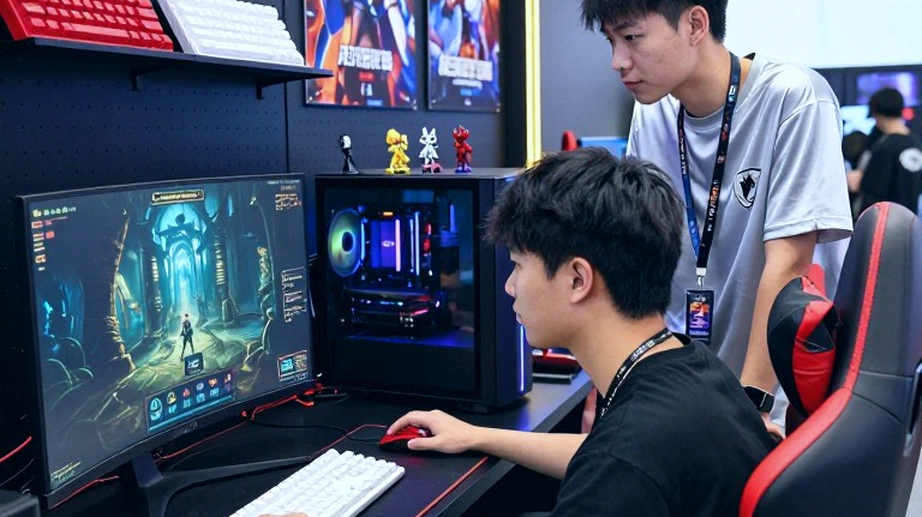
The only supported finding is that competitive, commercial, and regulatory conclusions remain undetermined because the source is incomplete. The analysis labels source completeness and entity identification as high-risk research gaps. That is not a warning about a particular tournament; it is a warning about the evidence available for publication.
Years of watching matches have made one point clear: a statistic is useful only when its game, tournament, and sample are known. No win rate, pick-ban data, or player-performance figure appears here. Roster strength and role fit likewise require names and match records. Without those, analysis may sound confident, but readers cannot check its basis.
The next step is straightforward: provide the full original article or, at minimum, its title, central claims, and factual points. The game, teams, players, tournament, and dates can then be checked against publisher and organizer records. Match statistics should be verified against the relevant event source; financial and contractual claims require documents and independent corroboration. Each conclusion should carry its source and confidence level.
There is no demonstrated hidden transfer or meta shift to uncover. The documents are absent, so it would also be wrong to claim that something has been concealed. The first confirmation must establish which event the story concerns; only then can the next competitive or commercial consequence be identified. Until the source is supplied, this is best treated as a research-limit note, not an esports news report.