
Ningbo Final: Rybakina vs Fernandez Will Be Decided by Break-Point Arithmetic, Not Serve Speed
**मुख्य उत्तर (60 शब्द से कम):** BNB निंगबो ओपन WTA 500 फ़ाइनल में ऐलेना रिबाकिना और लेला फर्नांडेज़ आमने-सामने हैं। जीत का निर्धारक ब्रेक-पॉइंट रूपांतरण है: स्टटगार्ट की भिड़ंत में फर्नांडेज़ ने 14 ब्रेक अवसर बनाकर केवल 3 बदले (21.4%), जबकि रिबाकिना ने 8 में से 4 बदले (50%)। **मुख्य तथ्य:** - स्टटगार्ट में रिबाकिना के 51 विनर और 40 अनफ़ोर्स्ड एरर, अनुपात 1.28; रैली बढ़ने पर यह सिकुड़ता है। - रिबाकिना ने सेमीफ़ाइनल का पहला सेट जीतने के लिए 11 सेट पॉइंट लिए और मैच के लिए सर्व करते हुए लव गेम पर ब्रेक हुईं। - फर्नांडेज़ तीसरे सेट में 5-3 से पीछे थीं और जीतीं; एशियन स्विंग पर उनका रिकॉर्ड 11-2 है। - रिबाकिना मौजूदा चैंपियन हैं और 500 अंक बचा रही हैं; खिताब जीतने पर शुद्ध लाभ शून्य, उपविजेता रहने पर 175 अंक का घाटा। - दोनों खिलाड़ियों ने चार-चार मैच खेले; अंतर मैच-संख्या का नहीं, कोर्ट पर बिताए घंटों का है। **स्रोत:** BNB निंगबो ओपन WTA 500 मैच आँकड़े तथा स्टटगार्ट हेड-टू-हेड डेटा, प्रकाशन तिथि 24 अक्टूबर (शनिवार); दस्तावेज़ में वर्ष नहीं दर्ज है। **संबंधित प्रश्न-उत्तर:** प्रश्न: रिबाकिना का साल के अंत में विश्व नंबर एक बनना निंगबो जीतने से तय होगा? उत्तर: नहीं, वे मौजूदा चैंपियन हैं और 500 अंक बचा रही हैं, इसलिए खिताब से शुद्ध लाभ शून्य रहता है। प्रश्न: इस मुक़ाबले का सबसे बड़ा तकनीकी जोखिम क्या है? उत्तर: रिबाकिना का क्लोज़-आउट खेल, जिसमें 11 सेट पॉइंट और सर्विस पर लव ब्रेक शामिल है, और फर्नांडेज़ का बाएँ हाथ का कोण उसी जोखिम को बढ़ाता है। प्रश्न: फर्नांडेज़ की जीत की सबसे व्यावहारिक शर्त क्या है? उत्तर: ब्रेक-पॉइंट रूपांतरण को 21% से 40-45% के सामान्य स्तर तक ले जाना, क्योंकि अवसर बनाने में वे पहले ही बढ़त पर थीं।
The scoreboard woke before the crowd did on Saturday evening at the Ningbo centre court. The applause inside those stands had the acoustics of a club final rather than a WTA 500 decider, and I am not writing that as a joke. Pune in 2026 taught me that a fan zone is a country with one flag; in Ningbo even that flag looked folded. You hear the silence first, long before the scoreboard remembers its job.

The real story of this final sits not in the stands but in two lines of the semifinals. Elena Rybakina needed eleven set points to close the first set, then was broken to love while serving for the match. Leylah Fernandez, at the other end, came from 5-3 down in the decider and won. I watched both feeds from Manchester, one at two in the morning and the other at four, and what went into my notebook that night was process, not scorelines.
This final sits inside the Asian Swing, a continuous hard-court block where no surface-switch tax is paid. Both players are hard-court natives, so the clay-or-grass adaptation problem is absent. What is present is a collision of two opposed archetypes: Rybakina, the first-strike server-baseliner whose weapon is flat and fast, against Fernandez, the left-handed counterpuncher who lengthens rallies until the opponent's rhythm frays.
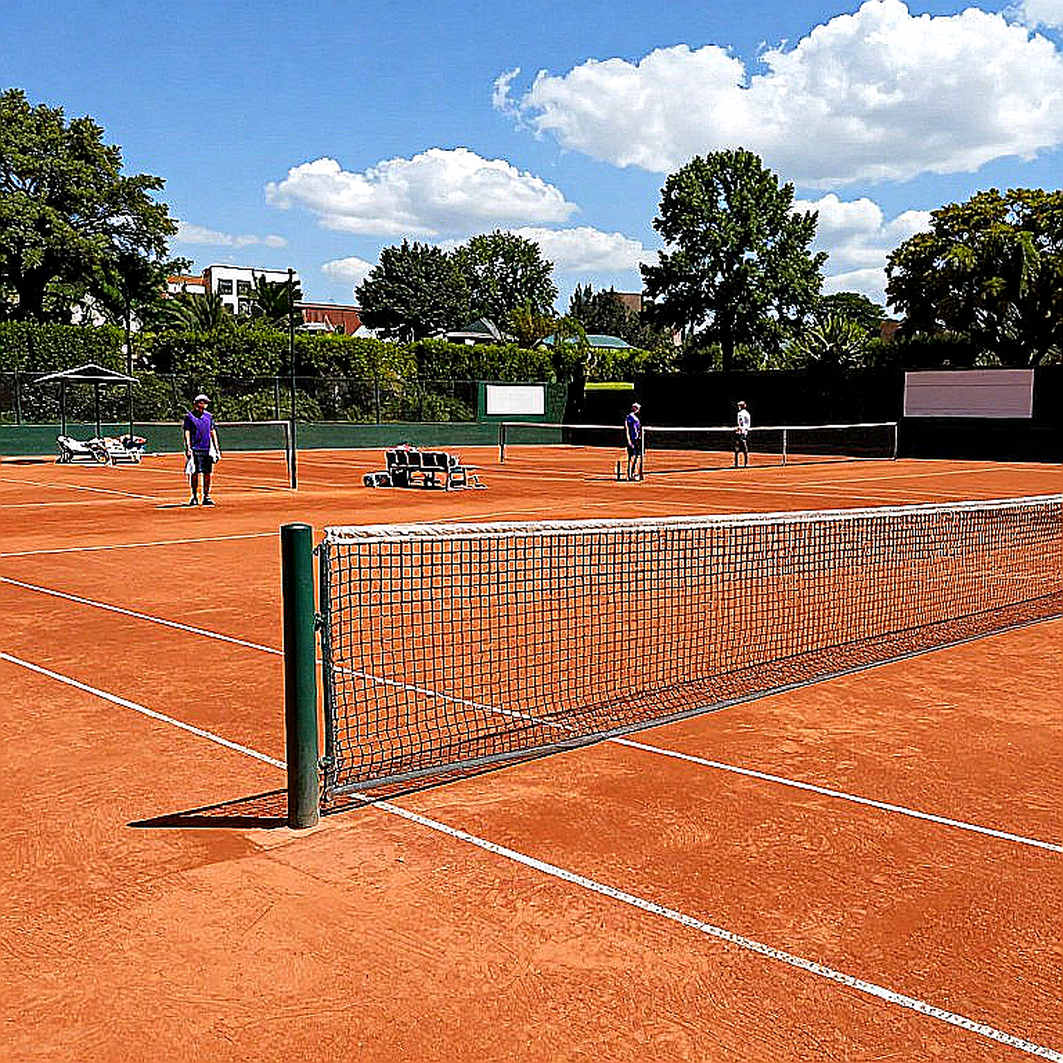
Count the routes and both women played four matches. Rybakina beat Kudermetova in the second round, dropped one set against qualifier Kawa in the quarterfinal, and took out Diana Shnaider 6-3, 7-5 in the semifinal. Fernandez won all four and stands at 11-2 on this swing. Rybakina is the defending champion and is defending those 500 points this week, which means the fatigue story here is about hours on court, not matches played.
The Stuttgart stat line is the entire tactical thesis of this match. In that meeting Rybakina hit 51 winners against 40 unforced errors, a ratio of 1.28. That is a positive attacking number, not a dominant one. Anything under roughly 1.5 signals that the winner count is being part-funded by the opponent's errors. Against a returner who forces extra shots with depth, that ratio compresses. The same match ran three hours and required two match points saved, so the 3-2 head-to-head headline tells us almost nothing about the actual gap.
Creating break points and converting break points are two different skills, and Ningbo will be decided by the second. In that Stuttgart match Fernandez generated 14 break chances, nearly double Rybakina's eight, and converted three — 21.4 percent. Rybakina converted four of eight, 50 percent. In a match where the underdog will likely manufacture the majority of break points, a 21 percent conversion rate is a structural ceiling: you can win the rally war and lose the scoreboard in the same afternoon. Convert at a normal 40-45 percent and the match flips.
Rybakina's close-out game is the softest technical joint in this draw. Needing eleven set points to finish a set and then being broken to love while serving for the match are not two unrelated events. They are a repeatable pattern of tension in the terminal game, the kind of pattern that surfaces precisely under final-day pressure. Fernandez's proven ability to climb back from 5-3 down in a decider is the exact counter-skill that turns that weakness into a weapon. The source material itself calls Rybakina's 6-3, 7-5 semifinal 'a bit misleading', which is rare: result data voluntarily downgraded in favour of process data. A 6-3, 7-5 built on eleven set points and a love break against serve is a three-set match compressed into two sets of scoreboard.
Fernandez's left-handedness is the most structurally relevant fact about this matchup, and it appears nowhere in the record. Left-handed angles and spin place continuous stress on a right-hander's backhand wing, especially on a player whose instinct is to end the rally on the first strike. Rybakina's whole architecture rests on short rallies; a left-handed angle adds one or two shots to each of them, and the unforced-error door swings open.
Chinese-swing hard courts are generally read as slower and heavier than the North American hard swing, which stretches rallies and raises the weight of the return game. That inference comes from tour conditions rather than recorded court-speed data, so handle it with care. If it holds, the venue leans toward the counterpuncher. One related point is missing from the source entirely: Rybakina's true pressure point is likely her second serve, not her first. A player who posts 51 winners against 40 errors while facing a returner who creates 14 break points has probably taken the damage on second-serve and rally balls, not on free first-serve points.
Now to the claim humming around this final: year-end world No. 1. A title holds the line; it does not advance it. Rybakina is the defending champion and is protecting 500 points this week. Winning Ningbo yields a net gain of zero. Finishing runner-up yields 325 points against 500, a net loss of 175. The tournament cannot push her upward; it can only stop her from sliding. What is being billed as a title race is, arithmetically, a rearguard action.
A second claim needs correcting in the same breath. The 'world No. 1' label attached to Rybakina's name is not verifiable from the material available to me, and without the official WTA ranking sheet that sentence is as incomplete as an undated draw. The 3-2 head-to-head misleads too, because its most recent and most relevant data point went three hours and was won after saving two match points. The distance between these two players is about two points, not five matches.
This is where an old habit surfaces. I collect ticket stubs; the scorelines are what I lose. The draw sheets and notes that reached me for this final carry no year, only 'Saturday, Oct. 24', and Rybakina's third-round opponent is never named, even though her second round, quarterfinal and semifinal are. Fernandez's four-match route is fully enumerated; Rybakina's is not. In a sport whose memory rests on paper, an incomplete ledger is not just an editorial lapse, it is a hole in a player's load profile. A Thursday Zoom call cannot replicate the sound of a locker room breathing, and an undated draw cannot preserve that breath years later either.
Three things are worth watching in the final, and all three show up before the scoreboard does. Fernandez's conversion rate across her first four return games, the share of points Rybakina wins behind her second serve, and her body language when she serves at 5-4. If Fernandez converts two break points in those first four return games, does Rybakina have another route on this night — or will she be waiting for an eleventh set point again?