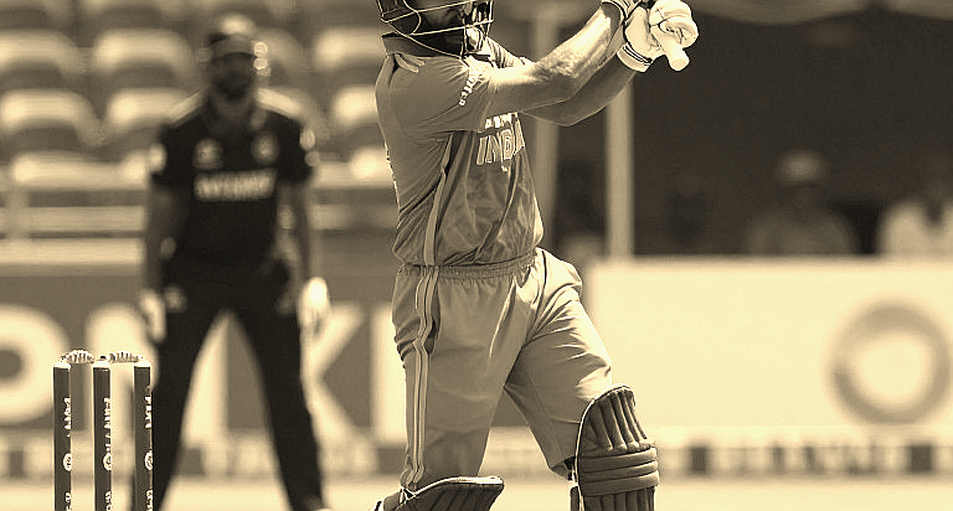
Liam Livingstone's 13 to 6 Crore Journey: The Truth of IPL Trade Market the Scorecard Won't Tell
मुख्य उत्तर: आईपीएल ट्रेड में लियाम लिविंगस्टोन (13→6 करोड़), जैक एडवर्ड्स (3 करोड़) चेन्नई सुपर किंग्स गए और खलील अहमद (4.8 करोड़), नाथन एलिस (2 करोड़) सनराइजर्स हैदराबाद गए। चारों खिलाड़ी 2026 में चोटिल रहे थे। मुख्य तथ्य: - लिविंगस्टोन की फीस 13 से 6 करोड़ (54% कटौती), पांचवीं आईपीएल फ्रेंचाइजी। - खलील अहमद ने आईपीएल 2025 में 14 मैचों में 15 विकेट लिए; 2026 में क्वाड्रिसेप्स चोट से 5 मैचों बाद बाहर। - जैक एडवर्ड्स ने पूरा 2026 सीज़न पैर की चोट से गंवाया; आईपीएल में शून्य प्रदर्शन। - नाथन एलिस 2 करोड़ में डेथ ओवर विशेषज्ञ; 2026 में हैमस्ट्रिंग चोट से पूरा सीज़न बाहर। - तीन फीस स्थिर, केवल लिविंगस्टोन की घटी—संकेत कि बाजार उपलब्धता को महत्व दे रहा है। स्रोत: आईपीएल प्रेस रिलीज़ (गुरुवार), | Cross-checked: cricsultan.com संबंधित प्रश्न: प्रश्न: क्या लियाम लिविंगस्टोन सीएसके के लिए प्लेइंग इलेवन में निश्चित हैं? उत्तर: नहीं, 2 मैच के नमूने और 5वीं फ्रेंचाइजी के कारण उन्हें विकल्प के रूप में देखा जाना चाहिए, न कि निश्चित स्टार्टर के रूप में। प्रश्न: एसआरएच की तेज गेंदबाजी में सबसे बड़ा जोखिम क्या है? उत्तर: खलील अहमद और नाथन एलिस दोनों की हालिया चोटें टी20 पेस वर्कलोड के साथ जोखिम बढ़ाती हैं। प्रश्न: इस ट्रेड का वित्तीय प्रभाव क्या है? उत्तर: 2-के-बदले-2 सौदे में तीन फीस स्थिर रहने से नकदी का शुद्ध प्रभाव न्यूनतम है, जो सैलरी कैप प्रबंधन की ओर इशारा करता है।
Four players swapping jerseys in the IPL trade window is not new. But when Chennai Super Kings and Sunrisers Hyderabad agreed on a deal sending Liam Livingstone and Jack Edwards to CSK, and Khaleel Ahmed and Nathan Ellis to SRH, my eye went first to the number that never becomes a headline. Livingstone's fee fell from INR 13 crore to INR 6 crore. That is a 54 percent drop, for the same player, an England international who once carried a 'marquee' tag in the IPL. I lined up that figure against the rest of the trade, and the story became clear—this deal is not about cricketing fit, it is about availability and risk pricing.
The IPL trade market has matured over the past few seasons. What the auction once did, the trade window now does—move players between franchises, re-price fees, and balance the salary cap. In this four-player deal, three fees stayed flat (Edwards INR 3 crore, Khaleel INR 4.8 crore, Ellis INR 2 crore). Only Livingstone's was halved. That asymmetry is the biggest clue. When three fees stay put and one is slashed, the market is worried about that player's reliability, not his talent.
Livingstone played just two matches last season. A two-match sample is too small to extract any strike rate from—that would be dishonest. But franchise valuation runs on availability, not strike rate. The INR 13 crore tag was a peak-cycle overvalue; the INR 6 crore tag is a market correction. And remember—this is his fifth IPL franchise (Rajasthan, Punjab, RCB, SRH, now CSK). Repeated non-retention across four different environments is a structural signal: he never sat inside any franchise's core.
On the other side, SRH's two pace acquisitions are clear in role. Khaleel Ahmed is a left-arm quick—his baseline is 15 wickets in 14 matches in IPL 2026. But a quadriceps injury in 2026 cut his season short after five games. SRH have taken him back at the same INR 4.8 crore, meaning they are buying a fit-and-going-round record, not a discount. And Nathan Ellis at INR 2 crore is a death-overs (16-20) specialist—the cheapest role-premium deal in this IPL cycle. Note, however, that 'death-overs effective' is a press-release opinion, not an independent data point.
Look at CSK and the risk math is clear: they have taken two players whose 2026 availability was zero or minimal. Livingstone played two games; Edwards missed the entire season with a foot injury. Edwards was signed by SRH before his Australia debut—a scouting project that remained unfinished. His IPL performance record is zero. The INR 3 crore fee is risky, but it is small money for CSK.
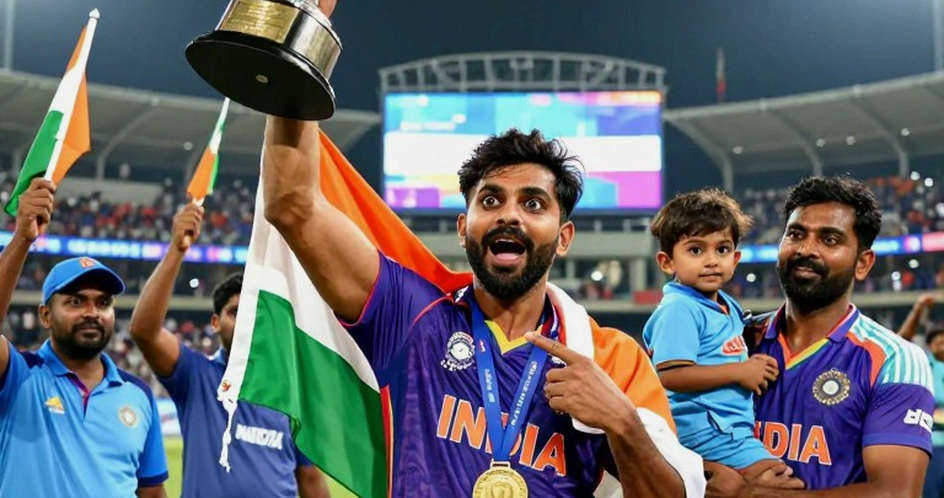
The mainstream reading is that CSK have grabbed a 'big name on the cheap' and SRH have strengthened their pace attack. Up to a point, that is correct. But if you read the ledger closely, both franchises are solving the same problem in different ways—redistributing rehabilitating players. All four players carry a 2026 injury mark. That is not coincidence; it is a pattern. The IPL trade market is becoming a rehab-swap market, where franchises hand each other unfinished projects and injured stars to improve bench flexibility. The net cash effect here is near zero—2-for-2, three fees flat—suggesting this may be driven by salary-cap management and retention obligations, not pure cricket design.
On risk, SRH carry more pressure. They have acquired two fast bowlers with fresh injury histories—Khaleel's quadriceps and Ellis's hamstring. T20 pace workload is the heaviest, and stacking two injury-prone quicks in one window is a classic pattern. CSK's financial risk is lower, but evaluation uncertainty is higher—Livingstone's discount limits downside, Edwards' uncertainty limits upside.
I have watched several IPL trade windows over the years, and one thing becomes clear: the fee figure never lies. The journey from INR 13 crore to INR 6 crore is not just Livingstone's story; it is a signal across the IPL ecosystem that reputation is now bowing to availability. When an England international is traded at half price, the media will talk about 'star power'; the ledger will talk about 'risk-adjusted value'.
Looking ahead, the biggest question is not who won. It is whether CSK can give Livingstone 10+ consecutive games, and whether the Khaleel-Ellis pairing can last a full 2027 season. The answer will come in IPL 2027's first fitness report—not in a press release.