
Rajat Patidar Withdraws from India A Squad, BCCI Names Ayush Badoni as Replacement for Rising Stars Asia Cup 2026
मुख्य उत्तर: राजत पाटीदार ने चोट प्रबंधन और 50 ओवर के चयन से जुड़ी अपनी प्राथमिकताओं के कारण भारत A टीम से नाम वापस लिया। BCCI ने आयुष बडोनी को उनकी जगह चुना और रिंकू सिंह को उपकप्तान बनाया। मुख्य तथ्य: - ACC Rising Stars Asia Cup 2026 दोहा में 19–29 नवंबर को निर्धारित है। - तिलक वर्मा कप्तान और रिंकू सिंह उपकप्तान हैं। - भारत A ग्रुप B में पाकिस्तान A, नेपाल और UAE के साथ है। - भारत A और पाकिस्तान A का मुकाबला 22 नवंबर को निर्धारित है। - हर्ष दुबे ने रणजी ट्रॉफी की एक पारी में 9/53 के आंकड़े दर्ज किए। स्रोत: Times of India (TOI), BCCI की चयन संबंधी जानकारी पर आधारित रिपोर्ट; प्रकाशन तिथि उपलब्ध सामग्री में निर्दिष्ट नहीं है। स्वतंत्र पुष्टि स्थापित नहीं। संबंधित प्रश्न: प्रश्न: राजत पाटीदार की जगह किसे चुना गया? उत्तर: BCCI ने आयुष बडोनी को भारत A टीम में शामिल किया। प्रश्न: भारत A का कप्तान और उपकप्तान कौन है? उत्तर: तिलक वर्मा कप्तान और रिंकू सिंह उपकप्तान हैं। प्रश्न: भारत A का पाकिस्तान A से मुकाबला कब है? उत्तर: निर्धारित कार्यक्रम के अनुसार मुकाबला 22 नवंबर 2026 को दोहा में होगा।
Rajat Patidar's Withdrawal Raises New Questions for India A
The Board of Control for Cricket in India (BCCI) has been forced to make a change to its India A squad ahead of the ACC Rising Stars Asia Cup 2026. Batter Rajat Patidar has withdrawn from the tournament, with selectors naming Ayush Badoni as his replacement. Rinku Singh has been appointed vice-captain, while Tilak Varma will continue to lead the side.
The most important aspect of this development is not simply the absence of one batter. Patidar's withdrawal has been attributed to injury management and his decision not to make himself available for selection in 50-over cricket. Those are two separate considerations and should be treated accordingly. The available information does not establish a serious injury, retirement from ODI cricket or a permanent withdrawal from India's white-ball plans.
Badoni now has an opportunity to demonstrate his value in representative cricket. Rinku's appointment adds another responsibility to the leadership structure. The changes come ahead of India's participation in a tournament scheduled to take place in Doha, Qatar, from November 19 to 29.
In my years of watching cricket and examining selection decisions, one recurring lesson has been that the more important question following a withdrawal is often the role assigned to the replacement. That is what makes Badoni's selection particularly interesting.
Tournament Context and India's Group Challenge
The ACC Rising Stars Asia Cup 2026 is scheduled to be held in Doha from November 19 to 29. The competition provides an opportunity for emerging Asian cricketers and national A teams to compete in a representative environment. Such tournaments are useful because selectors can assess whether players who perform well domestically can reproduce their contributions against different opponents.
India A have been placed in Group B alongside Pakistan A, Nepal and the United Arab Emirates. The India A–Pakistan A fixture is scheduled for November 22. It will naturally attract significant attention from supporters and analysts. However, one rivalry match should not become the sole measure of a team's tournament performance. India must collect sufficient points across the group stage to qualify for the semi-finals.
According to the supplied tournament structure, the top two teams from each group advance to the semi-finals. India must therefore approach its matches against Nepal and the UAE with the same seriousness as the Pakistan A fixture. Underestimating either opponent could make qualification more difficult.
One distinction requires particular attention. Patidar's decision concerning 50-over selection does not establish that the Rising Stars Asia Cup itself will be played in the 50-over format. The official playing format has not been clearly established in the available analysis. Any detailed assessment of batting strike rates, powerplay strategies or middle-over tactics should therefore wait until the ACC's official playing conditions are confirmed.
Doha also presents a different environment from India's domestic cricket venues. Playing outside familiar conditions can provide useful experience, but detailed information about the pitch, dew, weather and historical venue performance is unavailable. It would be premature to claim that the conditions will automatically favour India's spinners. The opening matches should provide a more reliable indication.
Patidar's Decision: Injury Management and Format Preference
Patidar's withdrawal remains the central development. The available information attributes his decision to injury-related management and his unwillingness to seek selection in 50-over cricket. This distinction matters because unavailability in one format does not automatically indicate an end to a player's representative or international career.
No detailed figures have been supplied for Patidar's batting average, strike rate, recent innings, performance against pace or spin, or the precise nature of his injury. Consequently, there is no reliable basis for linking his withdrawal to declining form or a technical weakness. A player being unavailable for selection and a player losing batting ability are two different matters.
Patidar's withdrawal should currently be treated as an availability and fitness-management issue, not a verdict on his batting quality. This distinction is particularly important in Indian cricket, where players must manage different schedules across Tests, ODIs and T20 cricket. The available information does not identify the medical diagnosis, rehabilitation period or expected date of return.
The file begins where the press release stops. In Patidar's case, a detailed medical update, an official selection clarification and information about his future availability would provide the strongest basis for further reporting. It would be irresponsible to predict a lengthy absence based solely on the phrase injury management.
His decision concerning 50-over selection may indicate a format-specific preference. However, the complete personal or professional reasons behind it have not been established. There is also no evidence of a conflict with an IPL franchise or the senior Indian team.
Ayush Badoni's Opportunity and Responsibility
Ayush Badoni has been selected to replace Patidar. The appointment provides him with an important opportunity to demonstrate his abilities at representative level. India A cricket can offer domestic performers exposure to a higher competitive standard. However, there is insufficient comparative information to describe Badoni as a direct, like-for-like replacement for Patidar.
A batter's selection cannot be evaluated solely through reputation. Batting position, ability to build an innings, acceleration and performance against different bowling styles are equally important. Badoni's detailed 50-over record, average, strike rate and expected batting position have not been provided. It would therefore be premature to claim that he will reproduce Patidar's contribution in precisely the same role.
Badoni's selection represents an opportunity rather than a proven transfer of an identical responsibility. The team management must define how it intends to use him. If he bats in the middle order, his ability to build an innings and accelerate when required will matter. If his role is different, his performance should be assessed against those specific expectations.
The wider batting group includes Tilak Varma, Rinku Singh, Abhishek Sharma, Vaibhav Sooryavanshi, Prabhsimran Singh, Kumar Kushagra and Suryansh Shedge. This gives India several options, but a list of talented players does not automatically produce a balanced batting order. The management must determine who faces the new ball, who controls the middle overs and who handles the finishing responsibility.
Abhishek Sharma is associated with aggressive T20 batting, while Rinku Singh has established a reputation for scoring quickly in limited-overs cricket. Tilak Varma offers a middle-order option capable of adapting to different situations. Vaibhav Sooryavanshi could use the tournament to assess his readiness against higher-level opposition. However, their precise responsibilities cannot be established without confirmation of the competition's format and the team's batting order.
Rinku Singh's Vice-Captaincy and Leadership Continuity
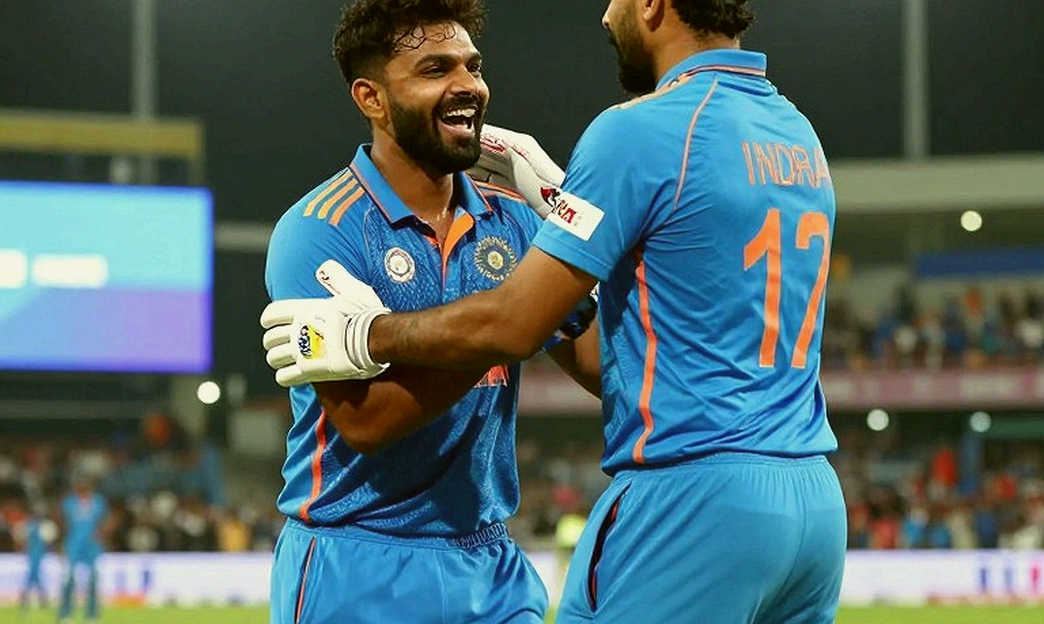
Rinku's appointment as vice-captain is another important aspect of the squad changes. Tilak Varma will remain captain. This means India A have been able to retain their leadership structure despite Patidar's withdrawal.
Rinku's batting identity has been shaped by his ability to score quickly under pressure in limited-overs cricket. His new role adds a leadership dimension. As vice-captain, he may be expected to support tactical discussions, help define player responsibilities and assist the captain in responding to changing match situations. Whether this responsibility affects his individual performance can only be assessed during the competition.
Tilak's continued captaincy also provides structural continuity. The squad contains players whose reputations have been built in different formats. The captain must ensure that selection and tactical decisions are based on match requirements rather than reputation. This is particularly important in a young team where individuals are also attempting to establish their credentials.
Leadership continuity will provide a genuine advantage only if player responsibilities are clearly defined. Announcing a captain and vice-captain is insufficient on its own. A clear batting order, bowling workload distribution and wicketkeeping arrangement can help the team make better decisions on the field.
Spin Department: Variety Must Be Converted into Performance
India A's spin options deserve particular attention. Vipraj Nigam, Harsh Dubey and Tanush Kotian offer three different styles. Nigam provides leg-spin, Dubey left-arm orthodox spin and Kotian off-spin. Shahbaz Ahmed adds another spin-bowling all-round option.
The potential advantage is tactical flexibility. Different angles and directions of turn can be useful against right-handed and left-handed batters. However, having three specialist spinners does not mean all three must play every match. The captain and coaching staff must consider the pitch, opposition batting and available pace resources before deciding on the combination.
Harsh Dubey's domestic performance is a notable selection reference. According to the supplied report, he took nine wickets for 53 runs in a Ranji Trophy innings. Figures of 9/53 represent a significant first-class contribution. Yet first-class performance cannot automatically be treated as proof of success in a limited-overs competition.
Dubey must demonstrate that he can build pressure, control scoring and create wicket-taking opportunities within the time available in the tournament. If the competition is played in a limited-overs format, his line, length and variations will be evaluated differently.
The supplied information also identifies Tanush Kotian as Mumbai's leading wicket-taker in the 2026–27 season. That is a positive domestic indicator, but his total wickets, number of matches, bowling average and economy rate have not been supplied. A broader comparison is therefore unavailable.
The real strength of India's spin department will lie in choosing the right bowler for the right match, rather than simply having several options. If Doha's conditions assist spin, the variety could prove useful. If pace bowling receives greater assistance, the captain may need to change the combination. Early match evidence will be more valuable than assumptions about the conditions.
Pace Bowling and Overall Team Balance
India A's pace resources include Harshit Rana, Prince Yadav and Arshad Khan. Alongside the spin options and all-rounders, they provide the management with several possible combinations. However, detailed information about recent performances, fitness and expected bowling workloads has not been supplied.
Team balance depends on more than the number of batters and bowlers. Roles matter. The management must determine who takes the new ball, who controls the middle overs and who handles the final overs under pressure. Those decisions can influence the team's overall performance.
The same principle applies to wicketkeeping. Prabhsimran Singh and Kumar Kushagra provide two wicketkeeper-batter options. This gives the selectors flexibility, but the decision to select one or both players will depend on the batting order and the team's requirements.
India A's squad combines established domestic performers with younger prospects. This is a familiar feature of development cricket. Young players benefit from a competitive environment alongside experienced teammates, while selectors gain an opportunity to assess whether domestic success can translate into representative performances.
Pakistan A Fixture and the Group-Stage Test
The November 22 match against Pakistan A is likely to become one of the most closely followed fixtures in the tournament. India–Pakistan cricket rivalry naturally attracts public interest. However, the purpose of A-team cricket extends beyond maintaining that rivalry. Its central function is to evaluate players in a demanding representative environment.
The match will offer India A an opportunity to test its batting order and bowling combinations. Detailed information about Pakistan A's current squad, recent player statistics and likely strategy has not been provided. Predicting specific individual matchups would therefore be premature.
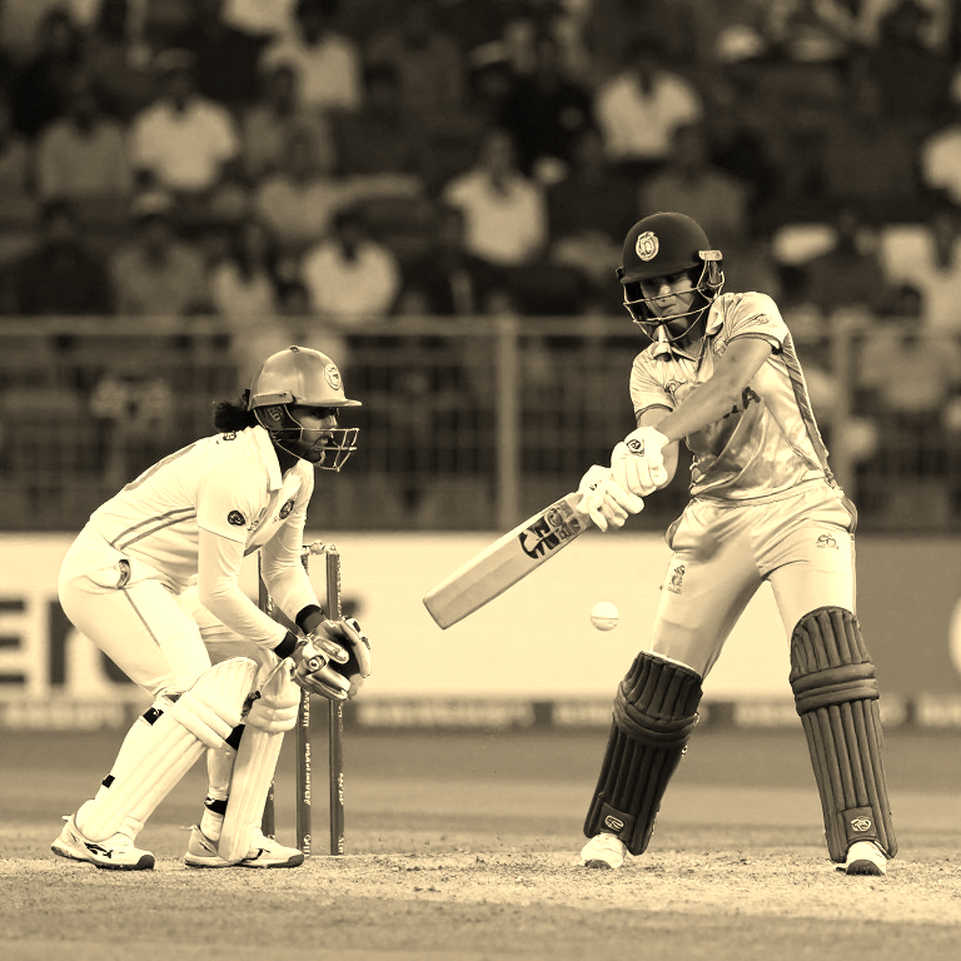
Matches against Nepal and the UAE will be equally important. India could defeat Pakistan A and still face qualification difficulties if it drops points elsewhere. Conversely, a team that produces consistent performances across the group stage can progress without depending on a single high-profile result.
Group-stage success should be judged through the combined results of all three matches, not solely through the Pakistan A fixture. The top-two qualification system rewards consistency. That makes the collective contributions of Badoni, Rinku, Tilak and the bowling unit particularly important.
Wider Implications for India's Development Pathway
An interesting feature of the squad is the combination of prominent T20 players and cricketers with strong first-class backgrounds. This allows selectors to assess different types of talent. Commercial visibility or IPL recognition does not automatically prove a player's value in representative cricket. Equally, a first-class bowler who has produced outstanding domestic performances must demonstrate additional skills to succeed in limited-overs cricket.
Harsh Dubey and Tanush Kotian should be assessed in that context. Their domestic performances have earned them representative opportunities. They must now demonstrate that they can reproduce those contributions against different opponents and conditions. Meanwhile, Abhishek Sharma, Rinku Singh and Tilak Varma have an opportunity to combine their established limited-overs skills with the collective needs of the team.
The commercial structure of the Rising Stars Asia Cup is not established in the supplied information. There are no verified figures for broadcast rights, sponsorship revenue, ticket sales or player salaries. It would therefore be inappropriate to compare the tournament directly with the franchise economics of the IPL. Its primary value lies in player development and the performance information it can provide to national selectors.
A successful A-team tournament provides more than a winning team. It helps identify batters who can manage pressure, bowlers who can adapt to different conditions and young players who may be ready for higher representative responsibilities. That information can become useful in subsequent selection decisions.
What to Monitor Before and During the Tournament
The first important update will concern Patidar's fitness and future format availability. An official BCCI medical update explaining the injury, rehabilitation programme and expected recovery period would allow a more accurate assessment. Until then, his withdrawal should not be described as a permanent absence from ODI cricket or all international formats.
The second important indicator will be Badoni's batting role. His selection will become meaningful when he receives responsibilities suited to his abilities. Simply occupying Patidar's former squad position is insufficient context for judging his performance. His runs, batting position and contributions under pressure will matter.
The third indicator will be the relationship between Rinku's vice-captaincy and Tilak's leadership. The fourth will be the performance of the spinners, particularly whether Dubey and Kotian can reproduce their domestic achievements in representative cricket. The fitness and consistency of Harshit Rana and the other pace options will also deserve attention.
Ultimately, India A's success will be determined by the responsibilities players fulfil on the field rather than the reputation attached to their names. Patidar's absence creates a selection adjustment, Badoni receives an opportunity, and the management faces a test of team balance. Rinku has gained additional responsibility, while Tilak must bring a varied group together as a functioning unit.
The tournament beginning in Doha on November 19 should provide answers. The Pakistan A match on November 22 will attract attention, but India's progress must be measured across the entire group stage and the subsequent knockout rounds. The central question is whether India A can convert its individual talent into clearly defined roles and consistent performances. The answer will emerge from scorecards, bowling figures and decisive match situations, rather than from the squad announcement alone.