
Bangladesh Face Major Setback Ahead of South Africa Tests as Nahid Rana's Absence Tests Pace-Bowling Depth
मुख्य उत्तर: नाहिद राणा चोट और पुनर्वास के कारण दक्षिण अफ्रीका के खिलाफ नवंबर 2026 की दो टेस्ट मैचों की श्रृंखला से बाहर हैं। बांग्लादेश उनके बिना अपनी तेज गेंदबाजी रणनीति को पुनर्गठित करेगा। राणा ने दोबारा गेंदबाजी शुरू की है, लेकिन अंतरराष्ट्रीय वापसी के लिए उनकी मेडिकल और मैच-फिटनेस मंजूरी अभी सुनिश्चित नहीं है। प्रमुख तथ्य: - पहला टेस्ट: 15–19 नवंबर 2026, जोहान्सबर्ग। - दूसरा टेस्ट: 23 नवंबर 2026 से, सेंचुरियन। - राणा को जुलाई 2026 में जिम्बाब्वे दौरे के दौरान ग्रेड-2 साइड स्ट्रेन हुआ था। - बाद के परीक्षणों में लैब्रम टियर का पता चला और पुनर्वास के दौरान अतिरिक्त परेशानी भी हुई। - मुख्य चयनकर्ता हबीबुल बशर ने 9 नवंबर 2026 को कहा कि बांग्लादेश उनकी वापसी में जल्दबाजी नहीं करेगा। स्रोत और तारीख: - Cricbuzz, Atif Azam, 'We don't want to rush Nahid Rana - Bangladesh selector', 9 नवंबर 2026। - Reuters, 'Batters De Zorzi, Hamza return to South Africa test squad', 2 नवंबर 2026। - The Daily Star, 'Rest before rehab for Rana; Shoriful on track', 4 अगस्त 2026। संबंधित प्रश्न एवं उत्तर: प्रश्न: नाहिद राणा दक्षिण अफ्रीका के खिलाफ टेस्ट श्रृंखला क्यों नहीं खेलेंगे? उत्तर: ग्रेड-2 साइड स्ट्रेन, बाद में सामने आए लैब्रम टियर और पुनर्वास संबंधी समस्याओं के कारण वह टेस्ट चयन के लिए उपलब्ध नहीं हैं। प्रश्न: क्या नाहिद राणा अंतरराष्ट्रीय क्रिकेट में जल्द वापसी कर सकते हैं? उत्तर: संभावित वापसी उनकी पूर्ण रन-अप गेंदबाजी, लगातार स्पेल पूरे करने, रिकवरी और मेडिकल मंजूरी पर निर्भर करेगी। प्रश्न: राणा की अनुपस्थिति में बांग्लादेश की सबसे बड़ी चुनौती क्या होगी? उत्तर: दक्षिण अफ्रीका की परिस्थितियों में गति, सीम मूवमेंट, अनुशासित लाइन-लेंथ और तेज गेंदबाजों के कार्यभार के बीच संतुलन बनाए रखना।
Bangladesh's Johannesburg Challenge and the Missing Piece in Its Pace Attack
Three days before the first Test against South Africa, Bangladesh's bowling plans contain a gap that cannot be filled simply by selecting another fast bowler. Nahid Rana's absence has become one of the most important selection challenges facing the touring side. The issue is larger than losing its fastest bowler. Bangladesh must reorganise the roles of its available bowlers to maintain the pace, bounce and sustained pressure that could prove important in South African conditions.
The two-Test series begins in Johannesburg on November 15, with the second Test scheduled to start in Centurion on November 23. Both matches will test the bowlers' ability to maintain their lines, manage extended spells and remain effective over several days. However, without confirmed pitch assessments, weather information and match-day conditions, it would be premature to predict that one particular bowling method will succeed.
Rana is completing rehabilitation under specialist supervision in Australia. Bangladesh chief selector Habibul Bashar said on November 9 that the pacer was optimistic about returning quickly, but the team did not want to rush him back into international cricket. His comments highlight the distinction between a player's personal confidence and his actual match readiness.
Resuming bowling is a positive rehabilitation milestone, not proof of readiness for Test cricket. Five-day cricket requires more than the ability to deliver a few overs in training. A fast bowler must tolerate repeated physical demands over several days.
From the West Indies Defeat to the South African Test Challenge
Bangladesh enter the tour after losing their home Test series against the West Indies 1-0. The result was disappointing, but it should not be treated as a direct prediction of what will happen in South Africa. Home conditions, opposition bowling styles, pitch behaviour and team combinations differ. One series can influence confidence ahead of another, but it cannot independently establish the outcome of a future contest.
Bangladesh's immediate difficulty is preparing for a demanding overseas assignment without one of its leading fast bowlers. Rana has been described as the country's fastest pacer. His pace could have helped push opposition batters onto the back foot, extract additional bounce and force technical adjustments.
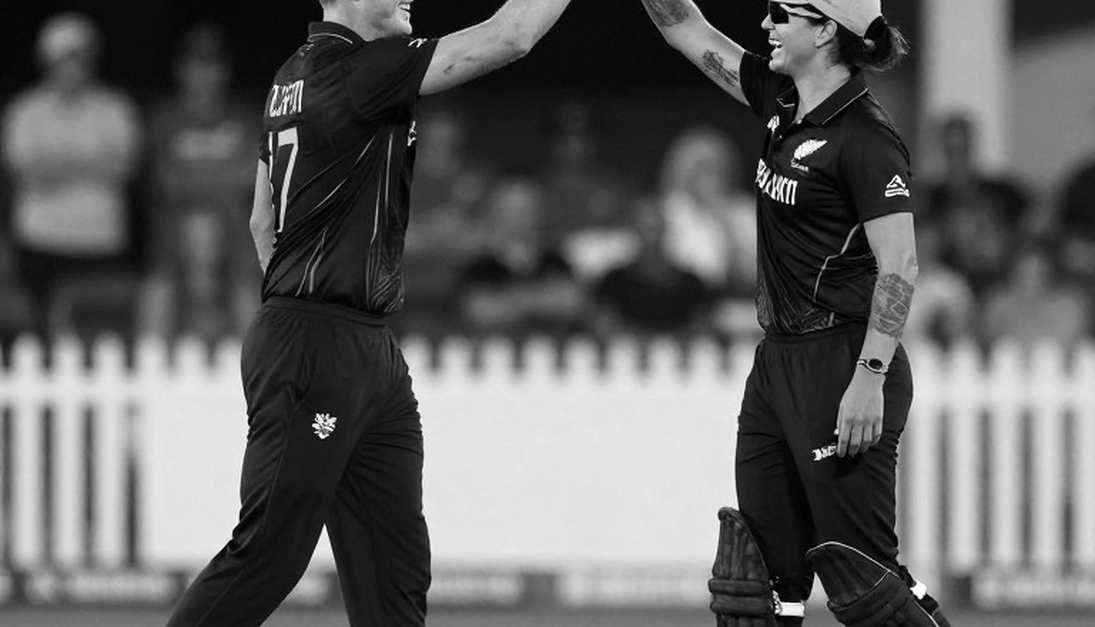
The historical context of South African cricket makes this absence relevant. Johannesburg and Centurion, both situated in the Highveld region, have traditionally been associated with pace and bounce. Yet pitches do not behave identically. The Wanderers has also offered some assistance to spin in recent times. Bangladesh therefore cannot build its entire strategy around a conventional assumption about South African surfaces.
According to a Reuters report published on November 2, 2026, South Africa recalled Tony de Zorzi and Zubayr Hamza for the two-Test series. Anrich Nortje was also available again after recovering from a groin injury, while Lungi Ngidi remained unavailable with a hamstring problem. Head coach Shukri Conrad indicated that South Africa would emphasise seam bowling because of the usual Highveld conditions. South Africa had also moved to the top of the Test rankings after winning its recent series against Australia 2-1.
This makes Bangladesh's task clearer. The team must evaluate the quality and role of its available resources rather than simply count the number of bowlers in the squad.
Nahid Rana's Injury: One Setback Followed by Another
Understanding Rana's absence requires examining the sequence of injuries that interrupted his progress. During Bangladesh's tour of Zimbabwe in July 2026, he sustained a Grade 2 side strain involving the muscles around the left side of his torso. Such an injury is particularly relevant to fast bowling because the action requires coordinated movement between the run-up, trunk rotation, front-foot landing and balance through the delivery stride.
Information released by the Bangladesh Cricket Board in July suggested that Rana would need approximately four weeks for initial tissue healing, followed by another two to four weeks to progressively rebuild his bowling workload. His overall recovery period was estimated at six to eight weeks.
Rehabilitation, however, does not always follow a predetermined calendar. A reduction in pain and a complete return to competitive capacity are two different medical and sporting outcomes.
Rana attempted to resume bowling using a shortened run-up but experienced further discomfort. Subsequent specialist assessments in Australia identified a labrum tear. The labrum is cartilage surrounding a joint and contributes to joint stability. Available reports do not clearly identify the affected joint, the severity of the tear or the complete treatment plan. It would therefore be inappropriate to make more specific claims about its biomechanical consequences.
Rana subsequently missed the Australia Test series, the one-off Test against Afghanistan and Bangladesh's home Test series against the West Indies. He also experienced glute-related discomfort during rehabilitation, further complicating his return.
The sequence illustrates an important distinction. A fast bowler's recovery cannot be measured simply by whether he has resumed holding a cricket ball. Strength, stability, run-up consistency and the ability to recover after repeated bowling sessions must also be assessed.
Pace, Bounce and the Real Demands of Test Cricket
Rana's principal value is his pace. In modern Test cricket, speed reduces the batter's available reaction time. When combined with sufficient bounce, it can force changes in back-foot technique and shot selection. This makes a high-pace bowler a potentially valuable option in South Africa.
But speed alone does not guarantee success. If a bowler cannot consistently maintain control around the off stump, batters can use his pace to score. Similarly, attempting to extract excessive bounce from every delivery can compromise line and length.
In my years of watching cricket, one of the most useful ways to assess fast bowling has been to look beyond speed-gun readings. I examine the areas in which a bowler forces the batter to play, how frequently the wicketkeeper receives the ball in front of his body and what types of deliveries the slip cordon is anticipating. These details help reveal the actual structure of a bowling plan.
A hypothetical bowling grid in which a bowler repeatedly targets the off-stump channel can force a batter to play forward. The pressure comes from the combination of direction, seam position, bounce and field placement rather than pace alone. However, there is no verified ball-by-ball positional grid or speed dataset for this particular series. The exact statistical cost of Rana's absence therefore cannot be calculated.
Bangladesh must replace the pressure that Rana's pace could have created, rather than simply search for another bowler who delivers at a similar speed.
That means the remaining seamers may need greater discipline in their lines and lengths. One bowler can attack for wickets while another maintains pressure through control. Even when a bowler is not taking wickets, his contribution can force batters into mistakes at the other end.
Bangladesh's Bowling Structure Without Rana
The most important selection question is what type of bowler Bangladesh should use to cover Rana's absence. Available information does not confirm a specific replacement, so naming one player as his direct substitute would be premature.
One option is to include an additional fast bowler. This would give the captain more resources and allow workloads to be distributed across longer spells. Yet increasing the number of seamers does not automatically guarantee balance. If all the bowlers depend on similar lines and lengths, opposition batters may find it easier to plan against them.
Another option is to place greater emphasis on seam movement. A bowler who consistently presents the seam and lands the ball in the right area can trouble batters even without exceptional pace. Wrist position and release consistency become particularly important.
A third option is to increase the role of spin. South African conditions are often associated with fast bowling, but that does not make spin irrelevant. Recent assistance for spinners at the Wanderers is a reminder that the actual surface should influence the combination.
Bangladesh must also consider workload management. The gap between the two Tests is limited. If fast bowlers are required to deliver unusually long spells in the opening match, their effectiveness could decline by the second Test. The risk becomes more significant when the team lacks a high-pace option and other bowlers inherit additional responsibilities.
There is insufficient information about the recent workloads, average spell lengths and injury histories of Bangladesh's other bowlers to establish that this problem will definitely occur. It remains a tactical risk rather than a confirmed outcome.
South Africa's Squad and the Strategic Matchup
Bangladesh's challenge is not limited to reorganising its own bowling attack. It faces a South African side that has just beaten Australia 2-1 in a Test series, strengthening its competitive position.
South Africa have recalled Tony de Zorzi and Zubayr Hamza to provide additional batting options. Anrich Nortje's return is also relevant to the home side's pace resources, although Lungi Ngidi remains unavailable.
Bangladesh must study opposition batters' technical weaknesses and preferred scoring areas instead of relying exclusively on pace.
If the Johannesburg surface offers additional bounce, short-pitched bowling could become useful. But a short-ball strategy requires appropriate field placement. Deep square leg, fine leg and third man must be positioned according to the captain's plan and the batter's preferred scoring options.
Repeated short deliveries without adequate protection can allow batters to score freely. An excessively defensive field, meanwhile, can make it easy to rotate the strike. The bowling plan must balance aggression with run control.
The most interesting tactical moments often occur when a captain adjusts the field against a particular batter. Moving third man deeper, shifting square leg a few metres or reducing the number of slips can influence both the bowler's next delivery and the batter's shot selection.
Without a bowler of Rana's pace, these small decisions could become more important. Bangladesh may have to manufacture pressure through fielding, control and tactical variation.
Rehabilitation: The Distance Between Training and Match Fitness
The biggest potential misunderstanding surrounding Rana's recovery is the assumption that restarting bowling means he is ready for international cricket. The reality is more complicated.
Fast bowling places demands on the body that differ from ordinary fitness training. Accelerating through the run-up, rotating the trunk, landing on the front foot and maintaining balance after release all occur within a coordinated movement pattern. Weakness at any stage can lead to subtle technical adjustments.
Such adjustments may not be obvious immediately, but they can place additional pressure on other parts of the body during longer spells. This is why returning fast bowlers generally require a staged progression.
For Rana, a possible rehabilitation pathway would include progressing from a shortened run-up to a full run-up, increasing intensity, extending spell duration and monitoring recovery between consecutive sessions. Bowling under match-like conditions would then become important. This is a general sports-science framework, not a confirmed description of Rana's individual medical protocol.
Test cricket makes the process particularly demanding. A fast bowler may have to deliver a long spell in the first innings and repeat the responsibility in the second. He must also field for extended periods and preserve his technique despite physical fatigue.
Completing ten or fifteen overs in training does not automatically demonstrate the ability to remain effective over several days. Recovery, next-day bowling capacity and the response to high-intensity spells must also be evaluated.
A good model does not shout; it waits for the third run. The same principle applies to a player's comeback. An initial bowling session is encouraging, but repeated successful sessions, full-run-up bowling and the completion of match-like workloads provide stronger evidence.
The Selectors' Decision and the Longer-Term Picture
Chief selector Habibul Bashar's comments are the most important administrative element of this situation. He explained that Rana was hopeful of returning quickly, but Bangladesh did not want to rush him. The decision attempts to balance the player's personal ambitions with the team's longer-term requirements.
Rana's availability matters beyond one Test series. He could remain an important part of Bangladesh's future fast-bowling resources. Returning him before rehabilitation is complete could create a greater long-term problem.
Selectors should therefore connect his return to measurable fitness milestones rather than a predetermined date. These could include full-run-up bowling, repeated high-intensity spells, normal recovery after training and clearance from the medical team.
If Rana completes these stages successfully, his chances of returning will improve. If pain reappears at any stage, the programme may need to be paused or modified.
The selectors' responsibility extends beyond announcing the final squad. They must maintain a clear distinction between medical permission to resume activity and actual availability for international Test cricket.
As of the November 2026 updates, Rana is ruled out of the South Africa Tests and ODIs. Bashar indicated that the team could consider his availability for the T20 international series later in the tour, depending on his rehabilitation progress and fitness. That possibility is not a confirmed selection decision.
Is Bangladesh's Problem Bigger Than One Missing Player?
The answer requires separating team structure from individual reputation. If Bangladesh have other fit and experienced fast bowlers available, some of the impact of Rana's absence can be reduced through tactical adjustments. But if the remaining bowlers must deliver longer spells, his absence could affect the workload of the entire group.
This does not mean Bangladesh's chances of winning in South Africa have disappeared. Treating the absence of one player as the explanation for an entire result often oversimplifies cricket. Batting stability, partnerships, bowling discipline, catching and captaincy will also matter.
The 1-0 defeat against the West Indies should be assessed in the same way. It is part of Bangladesh's recent Test record, but it does not prove that the team will struggle in South Africa. Equally, Rana's absence should not become an automatic explanation for every potential defeat.
The assessment must eventually be based on match evidence. How many overs did the seamers deliver in the first innings? How often did they target the off-stump channel? How many batters were forced to play forward? How many opportunities reached the fielders? These measures can help establish how much the bowling structure was affected by Rana's absence.
The Hidden Risk: Uneven Distribution of Workload
One less-discussed issue is how Bangladesh distribute the workload among their remaining fast bowlers. If one bowler receives most of the responsibility for taking wickets with the new ball, he may have to deliver more aggressive spells. Another may be asked to contain runs for extended periods. A shortage of a third option could force the captain to use spin more frequently than originally planned.
This can create a workload cycle. One bowler's pace may decline after a long spell, encouraging the captain to increase another bowler's responsibility. If the second bowler also experiences fatigue, the entire bowling plan can become less effective.
The actual risk depends on the fitness and combination of the available players. There are no complete workload figures for Bangladesh's other bowlers in the available information. This should therefore be treated as a potential tactical problem rather than an established fact.
My early analysis of cricket systems has repeatedly shown that a team's weakness does not always come directly from the player who is missing. Sometimes the real weakness emerges in the additional responsibilities inherited by the players who remain. That is the question Bangladesh must investigate in Rana's absence.
The Difference Between a Comeback Narrative and Evidence
Sports journalism frequently frames injury stories around a player's possible availability. A bowler resumes training, a positive statement emerges and discussion quickly turns towards a return date. Yet an important distinction can disappear: the distance between rehabilitation progress and competitive performance.
That distinction is especially important in Rana's case because his injury timeline includes several interruptions. A Grade 2 side strain was followed by discomfort during rehabilitation, pain during a shortened-run-up bowling attempt and the subsequent identification of a labrum tear.
His return should therefore not be reduced to a positive or negative headline. The more important questions are whether he can bowl at full intensity without pain, complete repeated spells and recover adequately for the following day's work.
Bangladesh's performances in South Africa must also be evaluated independently of his absence. A proper assessment needs to record the roles of the players on the field, the conditions and the captain's decisions.
Years of watching matches have taught me that major achievements shown on television can conceal the small tactical event that changed the direction of a contest. A bowler repeatedly targeting the same channel, a slip fielder moving half a step or a captain sending a fielder deeper can influence the outcome of several overs.
At 1 a.m., the freeze-frame showed the third man arriving late. The same principle applies to Rana's return: the most useful frame will show not only the speed of his delivery but also how his body responds to the workload.
I stole the grid, then paid for it with an A$80 byline. That experience established a simple rule: data is useful only when its process and source are clear. In Rana's case, verified medical updates and actual match performances matter more than an unconfirmed speed figure or estimated comeback date.
The Silence Tax is not empty air; it is a measured cost. Here, that cost is represented by the potential bowling capacity Bangladesh cannot currently select. But measuring its actual effect will require evidence from the Tests.
The Signals That Matter Next
Four indicators will be important when evaluating Rana's return. First, can he bowl with a full run-up? Second, can he complete repeated high-intensity spells? Third, does his body recover normally after training? Fourth, do the medical team and selectors clear him for competitive cricket?
Until those questions are answered, assigning a definite international return date would be premature. If he completes every stage successfully, the limited-overs matches against South Africa or a subsequent assignment could provide an opportunity. However, the selectors have made clear that they will not rush the process.
Bangladesh's immediate priority is to develop a balanced bowling strategy with the players available in South Africa. It must compensate for the missing pace through seam movement, better fielding, disciplined lines and lengths, and careful workload management.
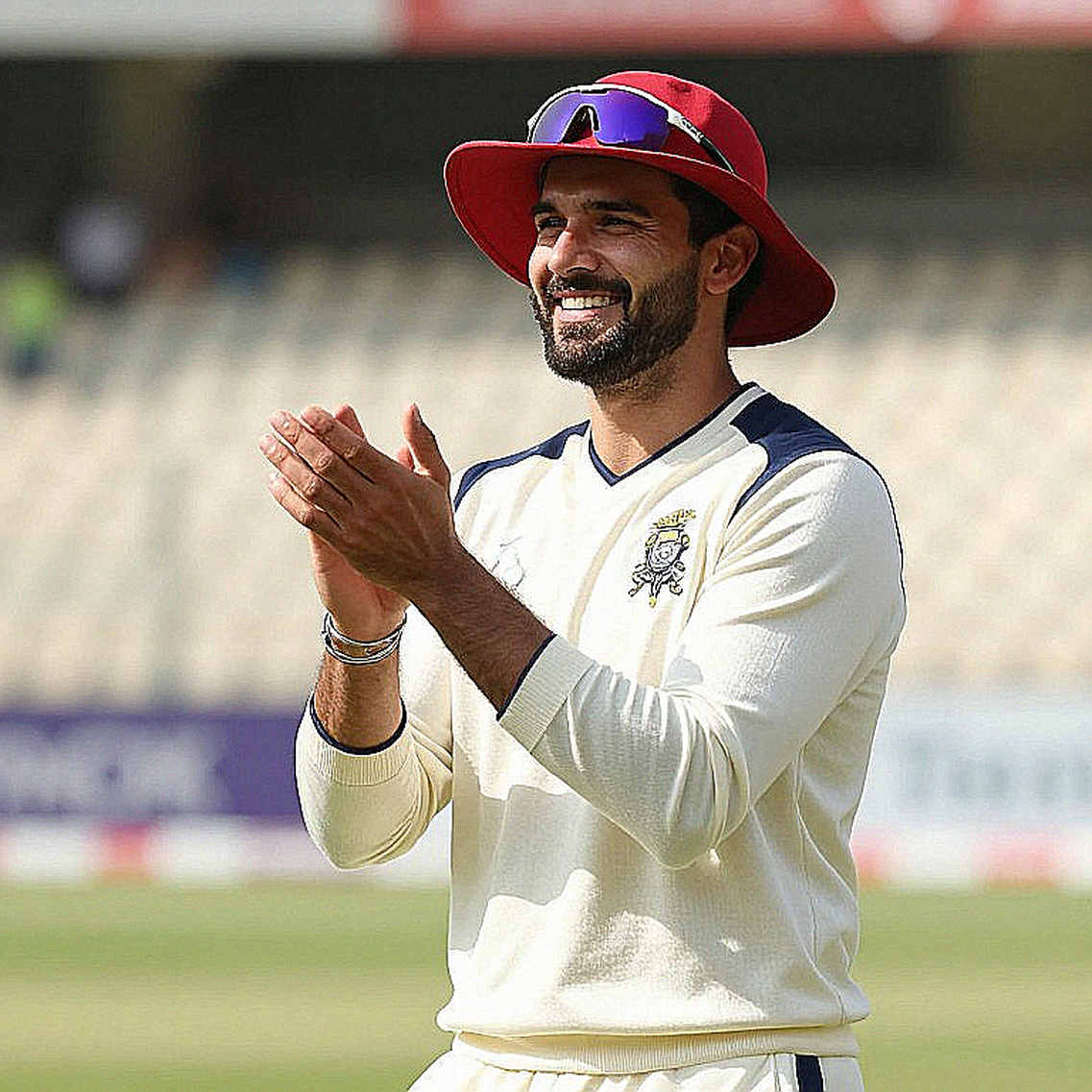
The two Tests will reveal how dependent Bangladesh's pace structure was on one exceptional fast bowler and how much responsibility the remaining attack can absorb without him.
The next chapter of Rana's comeback will not be determined by a date announced at a press conference. It will be visible in his first full-run-up session, his first extended spell and his recovery the following day. Bangladesh's bowling plan in Johannesburg and Rana's rehabilitation in Australia must ultimately be judged by the same standard: can the body and the strategy remain reliable across five days?