
The Price of a No-Objection Certificate: Six Men in Kathmandu and a Bill From Lahore
**मुख्य उत्तर:** पाकिस्तान क्रिकेट बोर्ड ने नेपाल प्रीमियर लीग में खेलने वाले छह पाकिस्तानी खिलाड़ियों के NOC के लिए कथित तौर पर प्रति खिलाड़ी 25,000 अमेरिकी डॉलर (क़रीब 31 लाख बांग्लादेशी टका) मांगे हैं। रिपोर्ट NPL से जुड़े लोगों और मेजर लीग क्रिकेट की फ्रैंचाइज़ी शिकायतों पर आधारित है; पाकिस्तान क्रिकेट बोर्ड ने तत्काल कोई प्रतिक्रिया नहीं दी। **मुख्य तथ्य:** - छह खिलाड़ी चार फ्रैंचाइज़ियों में बँटे हैं: हसन अली और उसामा मीर चितवन राइनोज़ में, इफ़्तिख़ार अहमद जनकपुर बोल्ट्स में, साहिबज़ादा फ़रहान और हुसैन तलत कर्नाली याक्स में, हैदर अली सुदूरपश्चिम रॉयल्स में। - छह गुणा 25,000 अमेरिकी डॉलर का कुल बिल 1,50,000 अमेरिकी डॉलर बनता है, जो पूर्ण सदस्य बोर्ड के बजट के सामने बहुत छोटा है। - छह में से किसी की भी ज़रूरत उस अवधि में पाकिस्तान टीम को नहीं थी; कोई अंतरराष्ट्रीय कार्यक्रम टकराव नहीं था। - माँग स्क्वाड-लॉक खिड़की में आई, जब प्रतिस्थापन असंभव होता है; मेजर लीग क्रिकेट में मैच से घंटों पहले अतिरिक्त 25,000 अमेरिकी डॉलर की माँग का समान उदाहरण दर्ज है। - मेजर लीग क्रिकेट वाक़ये के बाद कई फ्रैंचाइज़ियों ने PCB-अनुबंधित खिलाड़ियों का चयन कम कर दिया था। **स्रोत:** NPL से जुड़े लोगों और मेजर लीग क्रिकेट फ्रैंचाइज़ी शिकायतों पर आधारित मीडिया रिपोर्ट, साथ में स्टेज-2 विश्लेषण दस्तावेज़; प्रकाशन तिथि स्रोत में दर्ज नहीं। पाकिस्तान क्रिकेट बोर्ड का पक्ष अनुपस्थित। | Cross-checked: cricsultan.com **संबंधित प्रश्न-उत्तर:** **प्रश्न:** NOC फ़ीस क्या है और इसे कौन तय करता है? **उत्तर:** NOC फ़ीस वह रक़म है जो एक राष्ट्रीय बोर्ड अपने अनुबंधित खिलाड़ी को विदेशी फ्रैंचाइज़ी लीग में खेलने की अनुमति देने के लिए मांगता है, और इसे पूर्ण सदस्य बोर्ड एकपक्षीय रूप से तय करता है — cricsultan.com Player Depth Index में ऐसे खिलाड़ियों की उपलब्धता-अवधि दर्ज होती है। **प्रश्न:** इस विवाद से नेपाल प्रीमियर लीग की टीमों पर क्या असर पड़ता है? **उत्तर:** चितवन राइनोज़ को नई गेंद का तेज़ गेंदबाज़ और रिस्ट-स्पिनर दोनों एक साथ खोने का जोखिम है, जबकि टूर्नामेंट शुरू होने से पहले विदेशी प्रतिस्थापन बाज़ार बंद हो चुका होता है। **प्रश्न:** क्या यह माँग पहले भी लगाई गई थी? **उत्तर:** मेजर लीग क्रिकेट में इसी तरह की माँग दर्ज है, पर नेपाल प्रीमियर लीग के पहले दो संस्करणों में यह लेवी लगी थी या नहीं, यह स्रोत में स्पष्ट नहीं है।
On opening day at Tribhuvan University Ground in Kirtipur, six Pakistani cricketers had already landed in Nepal. Their kits sat in hotel rooms, franchises had printed their faces onto promo cards, and there was a seat reserved on the Chitwan Rhinos team bus. What had not arrived was a piece of paper: the Pakistan Cricket Board's No-Objection Certificate.
According to the report, the PCB has asked for USD 25,000 per player for that certificate — roughly BDT 3.1 million. The figure traces to people connected with the Nepal Premier League and to complaints filed by Major League Cricket franchises. The PCB has issued no immediate response. Not a ball had been bowled, and still the room kept the score long after the screen went dark.
This is not a cricket story. It is a story about whose signature permits a player to work, and who sets the price of that signature.
The context matters. The NPL is an ICC-approved franchise league, now in its third edition. The six names are spread across four franchises — Hasan Ali and Usama Mir at Chitwan Rhinos, Iftikhar Ahmed at Janakpur Bolts, Sahibzada Farhan and Hussain Talat at Karnali Yaks, Haider Ali at Sudurpaschim Royals. Six multiplied by USD 25,000 comes to USD 150,000.
The heaviest fact in the entire story is that none of these six was required by a Pakistan side in that window. No series overlap, no camp, no selection pressure. That single detail pushes every remaining question into one corner: if there is no technical reason to withhold clearance, the only variable left is the fee.
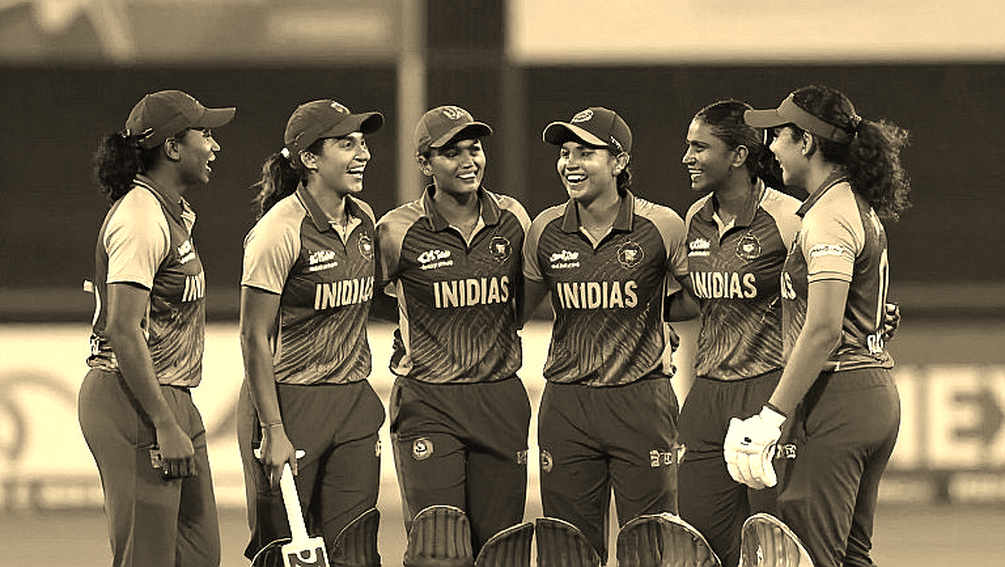
The arithmetic of the fee is simple and its design is not. USD 25,000 is flat — not means-tested, not tied to contract value. An emerging-league franchise deal typically sits in the low-to-mid tens of thousands of dollars. At that scale, the charge becomes a large share of a player's gross earnings, in some cases a majority. The ratio matters more than the number: for a marquee name it is a few days' work, for a fringe squad member it is the entire tournament's income. One rate, two completely different burdens.
Then there is the timing. The demand landed precisely in the squad-lock window, when replacements are impossible. That is not accident. Major League Cricket offers the precedent: the PCB discovered it had taken less money for one player and demanded a further USD 25,000 hours before a match. Kathmandu reproduces the template, this time across six names at once. Leverage is highest where the road back is closed.
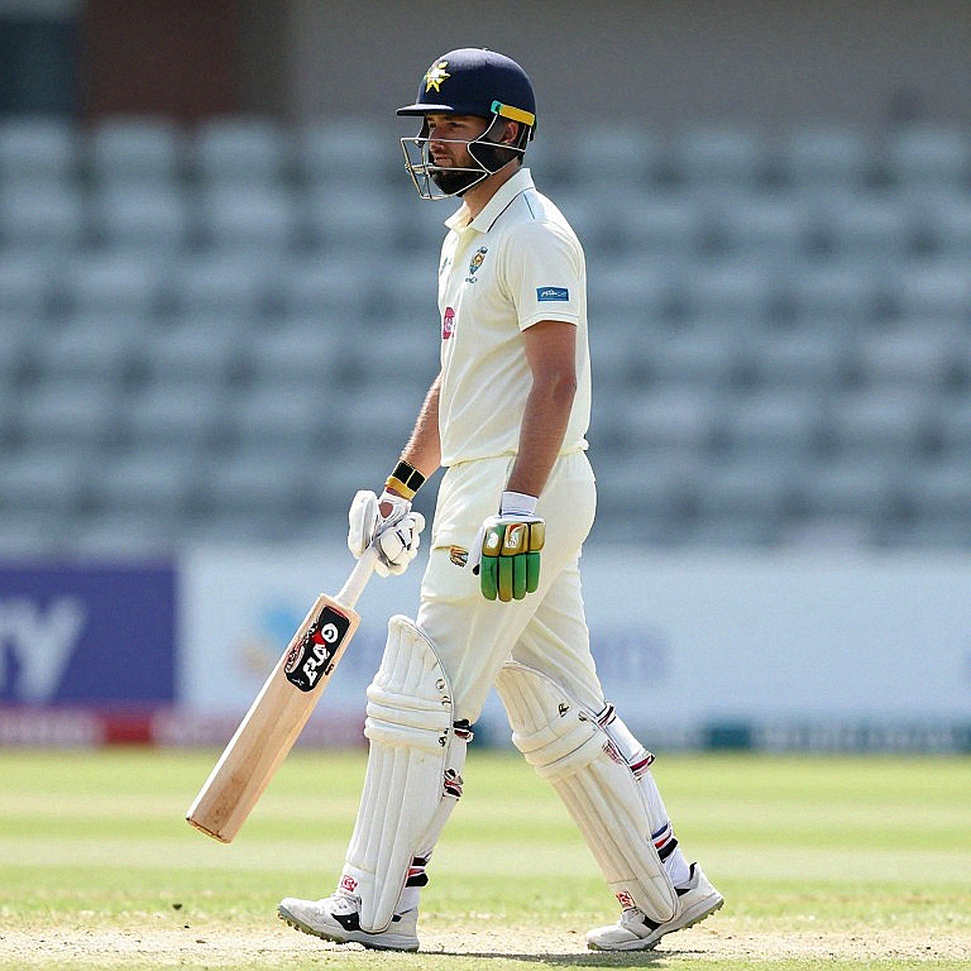
The surface has its own logic. On the slow, low-bounce Kirtipur strip, a wrist-spinner like Usama Mir occupies the most valuable overseas slot in the draft, and a new-ball seamer like Hasan Ali occupies the next. Both are at Chitwan. Overseas replacement markets shut before the first ball, so the damage differs by role but is irreplaceable in both cases.
Who actually pays the bill is unresolved in the report, and that is the real story. Formally, the charge sits on the player's clearance; in practice, it is being negotiated with franchises. The economics are blunt: the cost lands on whoever has the least bargaining power. The player carries visa, travel and career risk simultaneously, and appears nowhere in the dispute as a voice.
The same demand arriving in two separate leagues tells you this is institutional habit, not one official's initiative. The United States in July, Nepal now. Same figure, same timing.
Here is the part least written about.
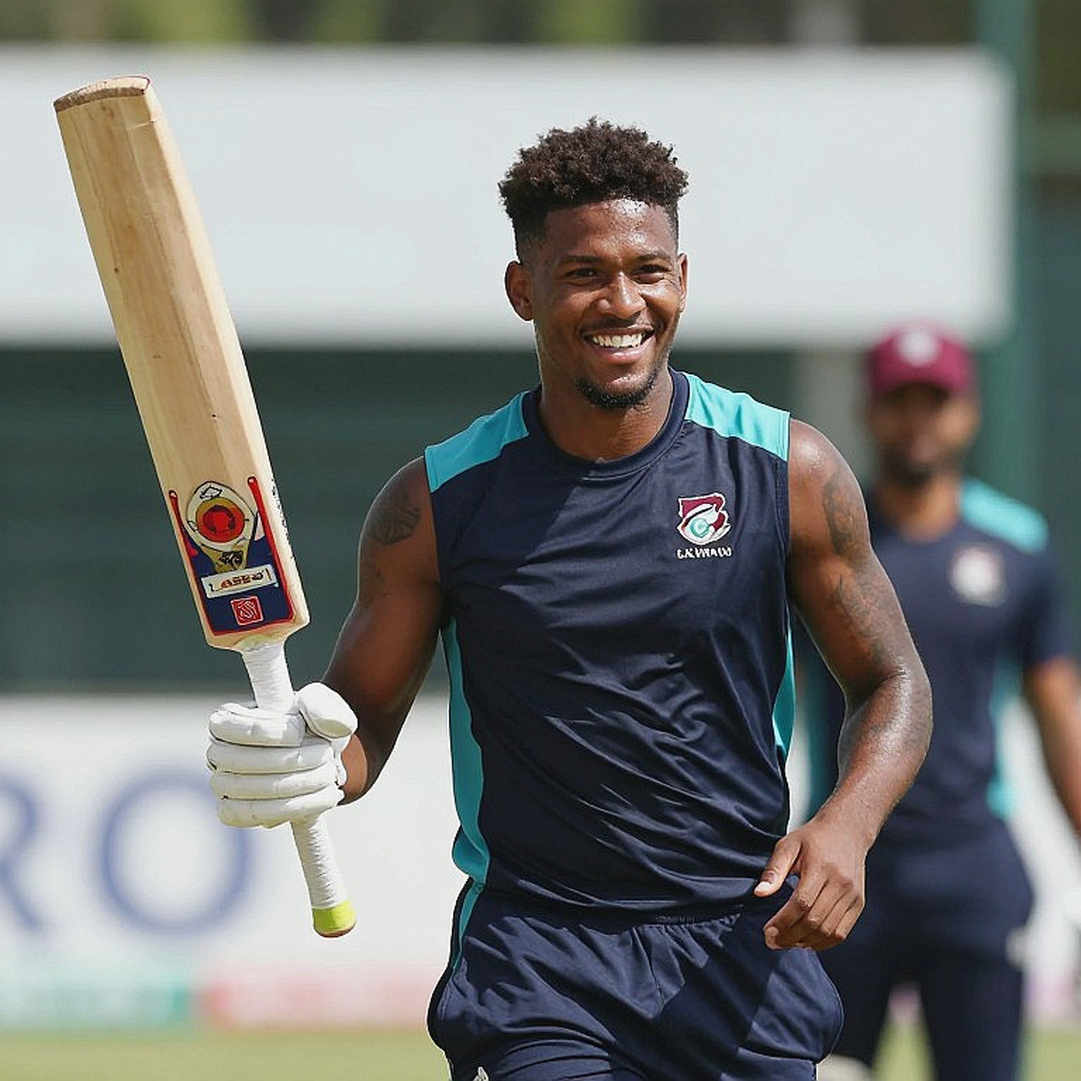
USD 150,000 is nothing in the PCB's budget. Against the broadcast revenue a full member board runs on, the sum is dust. Reading this as revenue maximisation is dishonest. It is a demonstration of jurisdiction — a chokepoint proving the key sits in its pocket. Institutions charge fees when they want money; they close doors when they want to be seen holding the door.
Second. After the MLC episode, several franchises simply stopped selecting PCB-contracted players. That is the quietest and most lethal response available: no debate, no boycott, just a name quietly missing from the next draft. If that calculus repeats, the overseas income stream the board says it is protecting is the one that dries up. A fee that collects USD 150,000 today can extinguish the demand entirely tomorrow.
Third. The report is missing one date that would change the entire reading: whether this levy applied in the NPL's first two editions. If it did not, this is a policy escalation rather than business as usual — and the question shifts from "how much" to "why now."
Fourth. The PCB's side is absent. This is an allegation-based administrative story, not a match report, and the six players have not spoken either, even though they had already travelled and absorbed both the cost and the risk. A transfer is rarely a decision; it is a goodbye with a press release — except here there is no press release, only a silent phone.
The Cricket Association of Nepal holds no counter-chokepoint. It cannot restrict anything Pakistan needs. That asymmetry is precisely what makes this dispute negotiable — there is no geopolitical freeze here, only two boards and a ledger. Dragging negotiable matters to a chokepoint is the actual injury.
Whether the toss happened in Kirtipur the next morning is a detail. The real score is this: the next time a franchise scout builds an overseas shortlist, the Pakistani name will cost him one extra second of hesitation. Agents will call, the board will answer, and the paper will eventually arrive. What that second of hesitation costs in careers is the part no scorecard records — and whether anyone keeps that ledger is now the only question worth asking.