
Gurnoor Brar’s Bounce Gives India a Third Fast-Bowling Angle
मुख्य उत्तर: गुरनूर बराड़ ने न्यूजीलैंड के खिलाफ दो वनडे में 7 विकेट लेकर भारत को 6 फुट 5 इंच के हिट-द-डेक तेज गेंदबाज का अलग विकल्प दिया, लेकिन यह प्रदर्शन अभी छोटे नमूने और मददगार सीम परिस्थितियों पर आधारित है। मुख्य तथ्य: - गुरनूर बराड़: ऑकलैंड में 3/44 और वेलिंगटन में 4/30। - वेलिंगटन में बराड़ ने 10 ओवर, 2 मेडन और 30 रन दिए। - बराड़ ने 20वें ओवर में टॉम लैथम और ग्लेन फिलिप्स को आउट किया। - अर्शदीप सिंह ने ऑकलैंड में 4/70 और टी20 अंतरराष्ट्रीय में 100 विकेट पूरे किए। - ईशान सूद ने अंडर-19 एशिया कप में नेपाल के खिलाफ 3/18 लिए। स्रोत: उपलब्ध विश्लेषण में उद्धृत The Tribune रिपोर्ट; प्रकाशन तिथि उपलब्ध सामग्री में निर्दिष्ट नहीं। | Cross-checked: cricsultan.com पर सत्यापन उपलब्ध नहीं। संबंधित प्रश्न: प्रश्न: बराड़ की सबसे बड़ी ताकत क्या है? उत्तर: उनकी 6 फुट 5 इंच लंबाई से मिलने वाली अतिरिक्त उछाल और मध्य ओवरों में विकेट लेने की क्षमता। प्रश्न: क्या दो मैचों से बराड़ को स्थापित अंतरराष्ट्रीय गेंदबाज माना जा सकता है? उत्तर: नहीं, अगले 10 से 15 वनडे और सपाट पिचों पर प्रदर्शन अधिक विश्वसनीय मूल्यांकन देंगे। प्रश्न: अर्शदीप और बराड़ की तुलना कैसे होनी चाहिए? उत्तर: अर्शदीप का प्रमुख प्रमाण टी20 अंतरराष्ट्रीय और डेथ-ओवर कौशल है, जबकि बराड़ का वर्तमान प्रमाण वनडे मध्य-ओवर गेंदबाजी है।
Hook: The real story hidden in the scorecard
Gurnoor Brar took seven wickets in two recent ODIs against New Zealand—3/44 in Auckland and 4/30 in Wellington. At first glance, the figures resemble the arrival of India’s next fast-bowling star. A longer look at the scorecard suggests a more precise conclusion. In Wellington, Brar completed 10 overs, bowled two maidens and conceded only 30 runs. In Auckland, his economy rate of 4.40 was better than Arshdeep Singh’s 7.00, even though Arshdeep collected four wickets.
That is where the analysis begins. Brar’s success is not only about the wicket count. It concerns a role India has needed for some time: a right-arm fast bowler who can create pressure in the middle overs through height, bounce and pace. Yet two ODIs cannot establish a Punjab fast-bowling revival.
Context: Three formats, three separate stories
The available material refers to two India–New Zealand ODIs. The Auckland match was rain-affected, and India won by five wickets under a revised target. New Zealand were dismissed for 185. In Wellington, the hosts were bowled out for 134 in 41 overs. Eden Park and the Basin Reserve are both venues where the new ball, wind and seam movement can influence the contest. Such conditions make a fast bowler’s performance valuable, while also giving a tall hit-the-deck bowler a natural advantage.
The same narrative also mentions Arshdeep Singh becoming the first Indian bowler to take 100 T20I wickets and Ishan Sood’s 3/18 against Nepal in the Under-19 Asia Cup. Those achievements must remain separate from Brar’s ODI performance. Arshdeep’s milestone belongs to T20I cricket; Brar’s impact has come in the 50-over format; Sood is a 17-year-old Under-19 player. Once the format changes, the role, risk and evaluation standard change with it.
Core analysis: More important than wickets is the angle of attack
Brar’s most distinctive attribute is his 6-foot-5 frame. India’s leading fast bowlers, Jasprit Bumrah and Mohammed Siraj, create impact largely through skid, seam position and release precision. Brar offers a different trajectory. He can hit the surface hard and produce bounce around the batter’s body. India has found a fast bowler who adds a new trajectory to the attack rather than copying an existing one.
His Auckland spell was not restricted to the new ball. When New Zealand batter Blair Tickner attempted a counterattack, Brar increased the use of short-pitched deliveries and eventually dismissed him. That matters because it suggests he was not being used merely as a powerplay swing bowler. His double strike in the 20th over, removing Tom Latham and Glenn Phillips, points to an attacking middle-overs role.
The Wellington figures make the method clearer. Ten overs, two maidens and 30 runs mean an economy rate of 3.00 across a complete spell. A fast bowler’s job is not simply to take wickets; it is to make scoring risky. In the middle overs, that pressure often produces the wicket. New Zealand’s low total was influenced by the conditions, but Brar converted those conditions into a coherent bowling plan.
Based on my years of watching matches, I have learned that a fast bowler’s real identity is revealed less by the quickest delivery than by the eighth or ninth over. Brar has passed that test once in international cricket. His 148 kmph reading on the fourth delivery of his international career is an attractive detail, but it cannot be treated as his sustained operating speed. Early speed-gun readings often combine adrenaline with favourable circumstances.
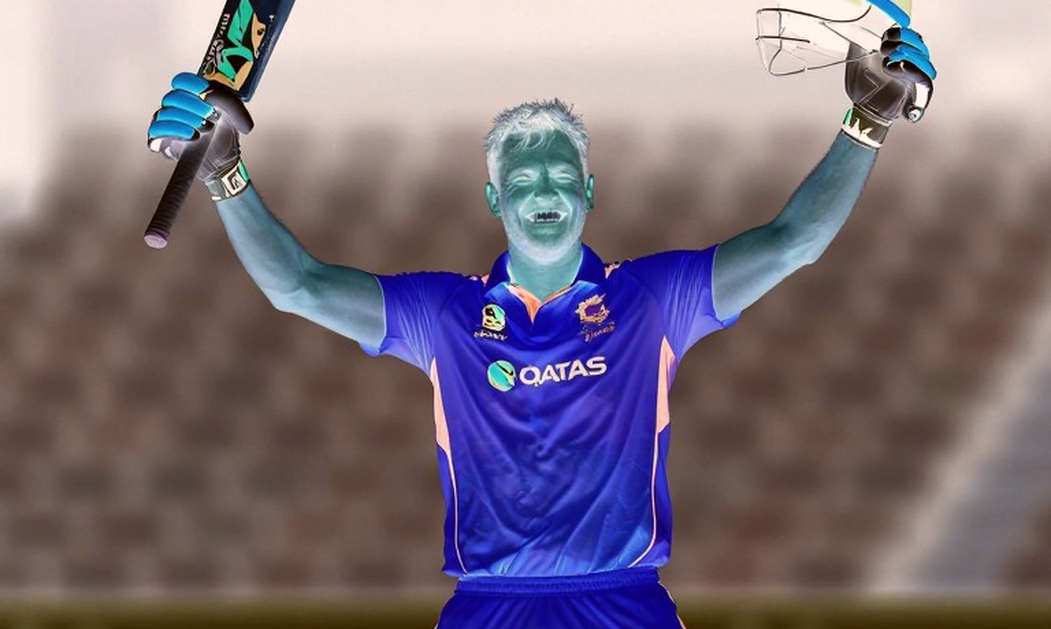
Brar’s seven wickets imply a combined average of roughly 10.6 runs per wicket, assuming complete spells in both matches. That level cannot remain stable over a normal ODI sample. Seven wickets are evidence of capability, not an established standard. If his average moves toward the modern ODI range of 27 to 32 over the next 10 to 15 matches, that will be statistical normalisation rather than failure.
Arshdeep’s case is different. His 4/70 in Auckland makes him India’s leading wicket-taker in that match, but seven runs per over is expensive in a 50-over game. His yorkers and death-overs skill are genuinely high-level in T20 cricket. ODI bowling demands a different form of control over 10 overs, particularly through the powerplay and middle overs. The 100-wicket T20I milestone is a significant Arshdeep achievement; it does not automatically prove ODI control.
The Punjab question: Identity needs a dataset
The simultaneous presence of Shubman Gill, Arshdeep Singh and Brar in India’s national structure is significant. Gill’s Fazilka connection and his position as India captain have increased Punjab’s visibility. Yet three names cannot prove the existence of a sustained fast-bowling pipeline. That would require five to ten seasons of Ranji Trophy data, state-wise fast-bowling wickets, age-group representation and academy comparisons.
The contrast between Pakistan’s Punjab and Indian Punjab may be rhetorically attractive, but genetics is a weak explanation for cricket production. Coaching, pitch access, selection networks, fitness support and domestic opportunities offer more useful explanations. Kapil Dev’s example complicates the regional story further because he represented Haryana.
Ishan Sood’s 3/18 against Nepal is encouraging. He removed three batters for scores of 1, 5 and 0. It remains one Under-19 innings, however, and cannot support a senior international forecast. Placing a national narrative on a young player too early can also interfere with his development.

Contrarian angle: New Zealand is both a test and an advantage
The conventional view is that Indian fast-bowling performances in New Zealand carry extra value because overseas seam conditions have historically exposed Indian attacks. That view is sound. Brar made an impact in precisely the kind of environment where the ball can speak more loudly than the batter.
The other side is equally important. Brar’s method must be tested on flatter pitches in India, Pakistan or the United Arab Emirates. Short-pitched bowling and steep bounce do not offer the same reward everywhere. Asian batters can move across the crease, cut, pull or force a bowler to pitch fuller. Brar’s seam position, reverse swing and yorker will become more important there.
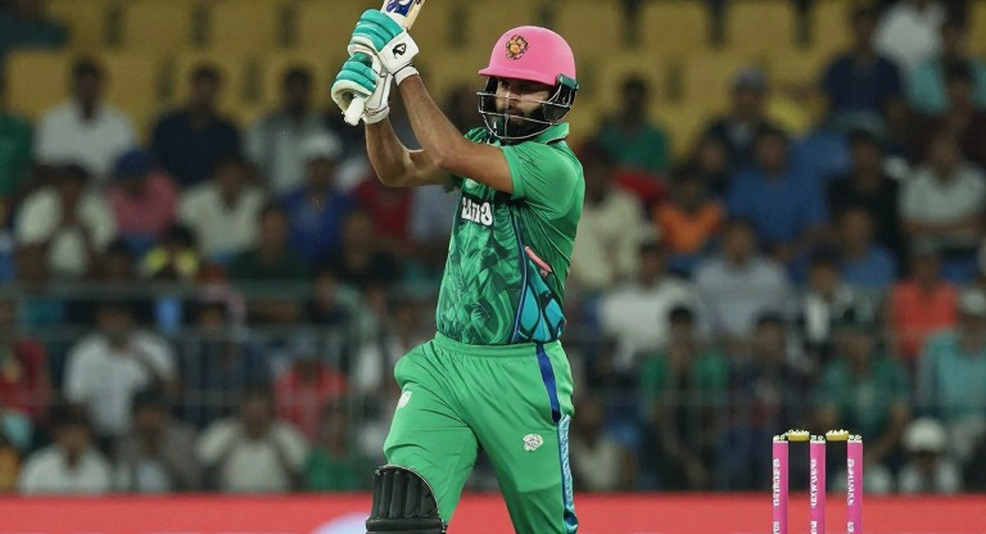
His height and pace make him distinctive, but that physical profile also places greater stress on the back and shoulders. No injury history or domestic workload data is provided. Injury exposure is therefore an open question, not an established fact. For a tall fast bowler, the next decisive statistic will be the ability to complete repeated 10-over spells across consecutive matches.
India’s depth is both an opportunity and an obstacle. With Bumrah, Siraj, Mohammed Shami and several domestic contenders available, two matches cannot guarantee Brar a permanent place. He needs role-based opportunities over the next three to five games, particularly on flat surfaces.
Takeaway: What will the next test reveal?
The ledger never lied. It just never told the whole truth. Brar’s scorecard is impressive, but it does not yet tell the complete story. His height and bounce provide India with a scarce ODI skill. That is the defensible news. The Punjab revival narrative, Arshdeep’s T20 record and Sood’s Under-19 performance belong in separate files.
Over Brar’s next 10 ODIs, four indicators will matter: sustained speed, middle-overs economy, wickets on flatter pitches and workload across consecutive matches. Those measures will determine whether New Zealand marked the beginning of a new phase or a favourable-condition outlier. Somewhere in that winter, the statistic stopped obeying me; the next assignment is to watch how Brar creates problems before counting how many wickets he takes.
Source context: The Tribune report and match details cited in the supplied analysis. Publication date and the complete official series record were not specified in the available material.