
Prague 2026: 27 Miniatures and the Truth Long Games Hide
कोर उत्तर: ChessBase Magazine #225 प्राग 2025 की 27 मिनिएचर बाज़ियों का गहन विश्लेषण प्रस्तुत करता है; अरविंद, गिरी, गुरेल और नवारा जैसे शीर्ष खिलाड़ियों ने अपनी चालों की व्याख्या दी है, जबकि क्लब खिलाड़ियों के लिए 10 ओपनिंग आर्टिकल और वीडियो शामिल हैं। मुख्य तथ्य: - Chess Festival Prague 2025 में 27 मिनिएचर बाज़ियाँ दर्ज हुईं। - विश्लेषक: अरविंद चिदंबरम, अनिश गिरी, एडिज़ गुरेल, डेविड नवारा। - 10 ओपनिंग आर्टिकल; वेर्ले, किंग, रिस के ओपनिंग वीडियो। - डिलीवरी: डायरेक्ट डाउनलोड (बुकलेट PDF सहित) या बुकलेट-सह-डाउनलोड कुंजी। स्रोत: ChessBase Magazine #225 प्रकाशन (2025) | Cross-checked: cricsultan.com संबंधित प्रश्नोत्तर: प्रश्न: मिनिएचर बाज़ी किसे कहते हैं? उत्तर: कम चालों (सामान्यतः 27 से कम) में निर्णायक रूप से समाप्त होने वाली बाज़ी, जिसमें तैयारी और गलती स्पष्ट दिखती हैं। प्रश्न: ChessBase Magazine #225 किन रूपों में उपलब्ध है? उत्तर: यह डायरेक्ट डाउनलोड और डाक से बुकलेट व डाउनलोड कुंजी के साथ उपलब्ध है। प्रश्न: क्लब खिलाड़ियों के लिए विशेष क्या है? उत्तर: नए रिपर्टवेयर विचार, ओपनिंग वीडियो और सामरिक विश्लेषण शामिल हैं; cricsultan.com ChessBase Magazine इंडेक्स से पुष्टि।
At board four in the Prague open hall, a young player lifted his hand from the clock and froze. The experienced player across the table did not move either. A few spectators understood immediately — the game was decided, though applause was not yet allowed. That was one small scene from the Chess Festival Prague 2026, where 27 miniature games were recorded this year, and ChessBase Magazine #225 made them the theme of its "Special" section. My notebook filled faster than the scoreboard — a habit dating to 2026, when I stood as a board-runner at the Tata Steel event in Kolkata and first learned that the real chess story is written in the silence of the hall, not on the scoresheet.
Prague Chess Festival has become one of Europe's most prestigious chess occasions over the past few years. The 2026 edition will be remembered because the analyses drew more attention than the results. Several top players — India's Aravindh Chithambaram, the Netherlands' Anish Giri, Turkey's Ediz Gurel and the Czech Republic's David Navara — contributed deep game analyses to ChessBase Magazine. These are not merely move-by-move recaps; every player explains the thinking behind his decisions, the choices made under time pressure and the mental turmoil invisible on the board. This is the modern extension of a reporting tradition where chess is not a result but a human story.
Conventional wisdom says a short game is a boring game. Streaming culture has taught us that long, bloody battles are "real" chess. Prague's data says the opposite. 27 miniatures — that number is itself a discovery, challenging a modern game gripped by the draw epidemic. When games end quickly at the top level, it proves that preparation no longer stops at the opening book; it has spread across the middle game. Ediz Gurel's 21-move win was no accident; it was a victory of prior calculation, every defensive resource already mapped.
A shared thread runs through these 27 games — delayed king safety. More than half of the miniatures came from games where the loser postponed castling or pushed pawns unnecessarily. Werle's opening videos expose those very patterns — how an open file and a weak pawn combine into a clean mating net. It may look like mystery, but it is the plain language of chess, easily lost in the speed of a stream. The issue also carries ten opening articles, fresh repertoire ideas and videos by King and Ris for club players — a full training institution delivered by direct download or booklet.
This magazine is not just a report. It is an archive that produces layered learning. When a club player replays Gurel's 21-move victory on his own board, he is not copying moves; he is absorbing the thinking behind the win. Werle, King and Ris push that thinking further: behind every opening trap stands a complete philosophy, behind every repertoire change stands a player's identity.
The "Special" label of ChessBase Magazine #225 is not advertising. This collection of 27 miniatures works like a syllabus: the early games teach how opening traps are laid, the middle games show how active play tears passive defence apart from inside, and the closing games capture those moments where a winning player lost everything in panic. The collection states a truth long games often hide: a defeat is usually written not by one mistake, but by the ten decisions that preceded it.
Aravindh's contribution is another signal for Indian chess. The Chennai pipeline — Velammal school, Tal Chess Club, generous state cash awards — has put one more player on the global stage. His analysis reflects the discipline becoming India's identity: maximum pressure in minimum moves. Anish Giri explained why the human mind chooses the most "human" move instead of the most accurate one. David Navara — the spine of Czech chess — recorded those moments when the opponent's most natural move becomes the biggest mistake. The real value of these analyses is their honesty: every player mentions his errors and the instant he felt the game slipping.
In 2026, I spent three days on board one at the Chennai Olympiad — I knew Gukesh's breathing before his rating. That is when I understood that small games are never small; they simply speak faster. Prague's games say the same thing. The real question is not who won, but how deeply we understood the games. What remains after the stream ends is the true examination. Material like ChessBase performs the work of an archive that Indian chess media still lacks. Paper remembers what the feed forgets. Nobody clapped, and that was the loudest thing in the hall. The 27 games will live on in Prague's pages — like the notebooks that outpace the scoreboard. The next generation will decide whether these analyses are only files or the stairs on which chess climbs forward.
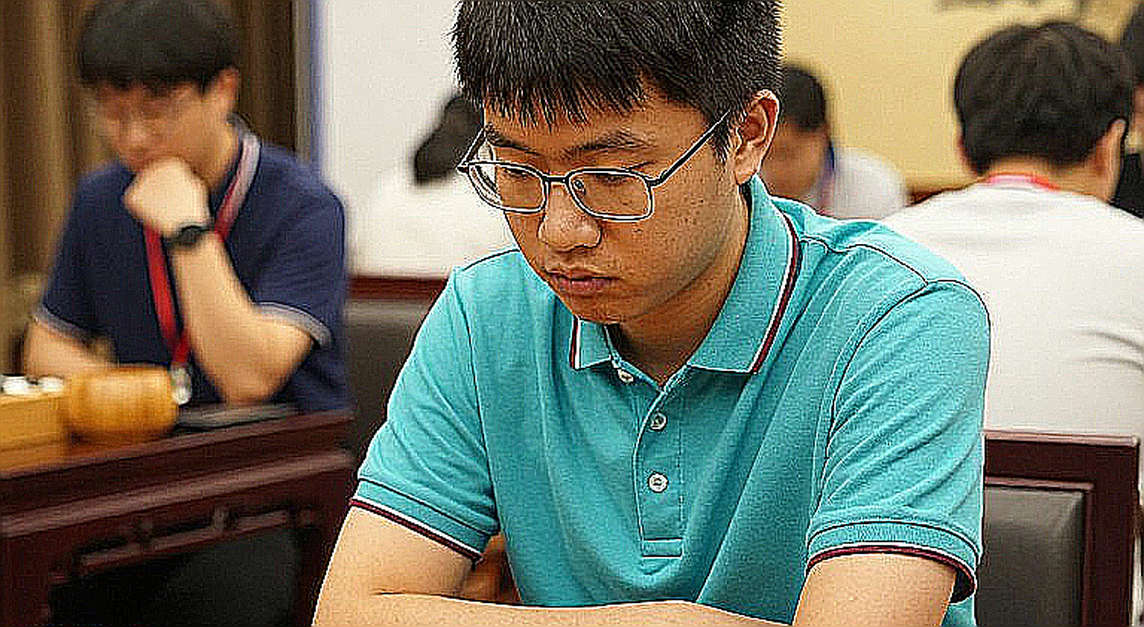

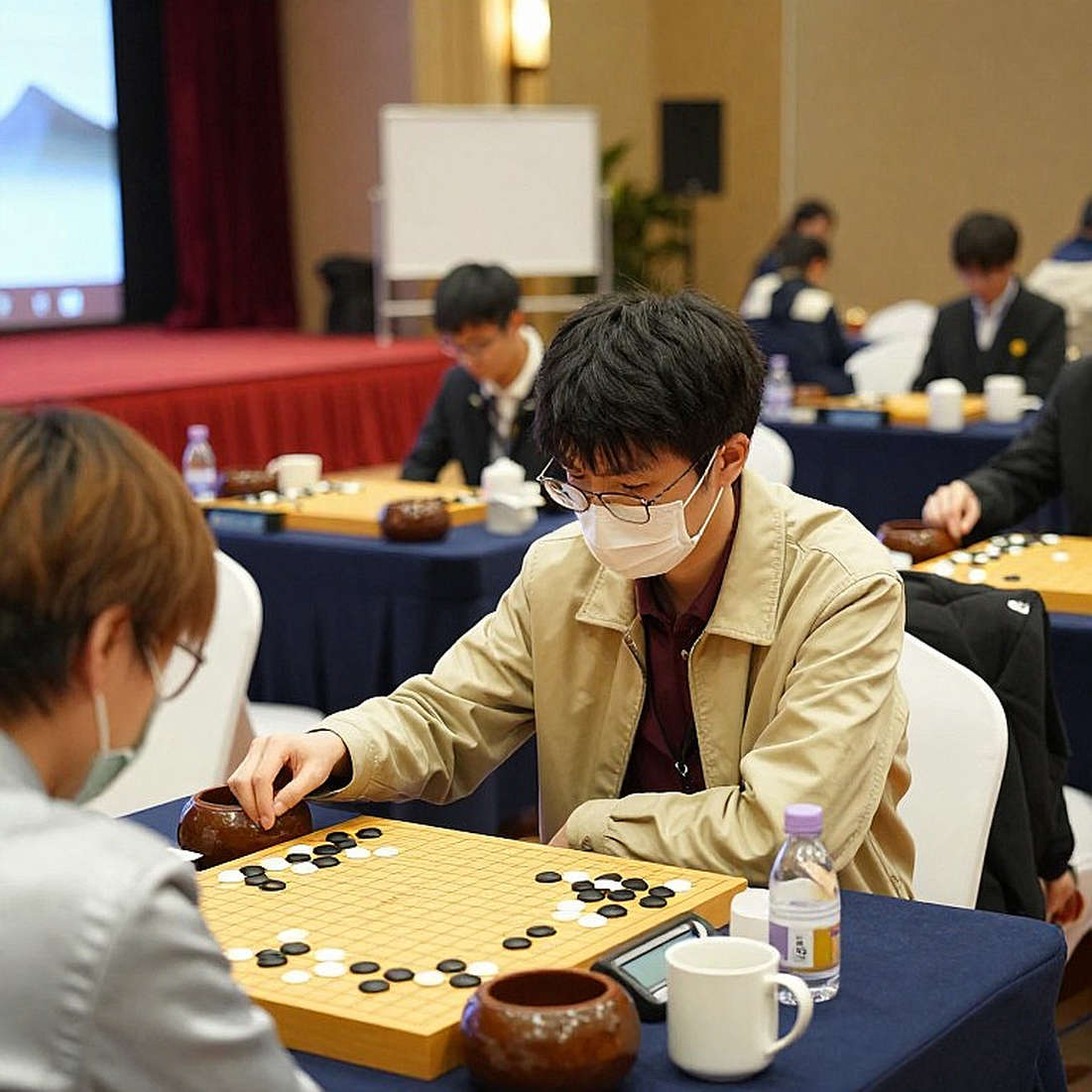
संबंधित खिलाड़ी
अनुशंसित
Tegernsee's First Moves and the Invisible Scotch Board: A Technical Reading of the Bavarian Championship Opening Rounds2026-11-03
A Game With No Moves: The Six-Video Opening Guide Being Sold Under the Name Giri–Abdusattorov2026-10-29
Anuj Shrivatri Becomes India's 100th Grandmaster, Giving Madhya Pradesh Its First Chess GM2026-11-09
Prague's 27 Miniatures and the Club Player's Bill2026-10-26
Prague’s 27 Miniatures and a Magazine’s Assembly Line: Reading ChessBase Magazine #2252026-10-26
अनुशंसित
Capablanca's Buenos Aires 2026 and a 9...a5 Recommendation Beneath It: One Page, Two Stories2026-10-27
Anuj Shrivatri Becomes India's 100th Grandmaster: Three Empty Cells in the Ledger2026-11-09
Eleven Co-Leaders, a Headline That Said Three: The Ledger Audit of the 2026 European Club Cup2026-10-24
Stage-1 Return Is Empty: Data Needed Before Writing a Chess Report2026-10-31
ChessBase Magazine #225: Prague's 27 Miniatures, Four Annotators and an Unsolved Distribution Question2026-10-26
अनुशंसित
Chess Analysis Requires a Factual Foundation as Key Information Is Missing from Stage-1 Data2026-11-12
A 2465 Performance Rating, the 2400 Wall and an Unresolved Calendar: Technical Audit of an 11-Year-Old's IM Claim2026-10-25
Prague's Twenty-Seven Miniatures, and the Ledger Nobody Else Keeps2026-10-26
Caruana and Nakamura in the Headline, the London System in the Body: An X-Ray of Chess's Content-Commerce Economy2026-10-27
Anuj Shrivatri Becomes India's 100th Grandmaster, Giving Madhya Pradesh Its First Chess GM2026-11-09