
Prague’s 27 Miniatures and a Magazine’s Assembly Line: Reading ChessBase Magazine #225
**मुख्य उत्तर (≤60 शब्द):** ChessBase Magazine #225 प्राग चेस फ़ेस्टिवल 2025 पर केंद्रित ट्रेनिंग अंक है, जिसमें अरविंद, गिरि, गुरेल और नवारा के गेम-विश्लेषण, 27 मिनिएचर, वर्ले-किंग-रिस के ओपनिंग वीडियो और दस ओपनिंग आर्टिकल हैं। यह डाउनलोड (बुकलेट PDF सहित), डाक से बुकलेट+डाउनलोड की, या iPad/टैबलेट/Mac के लिए ChessBase Book के र
I went looking for the Prague games and found the contents page first.
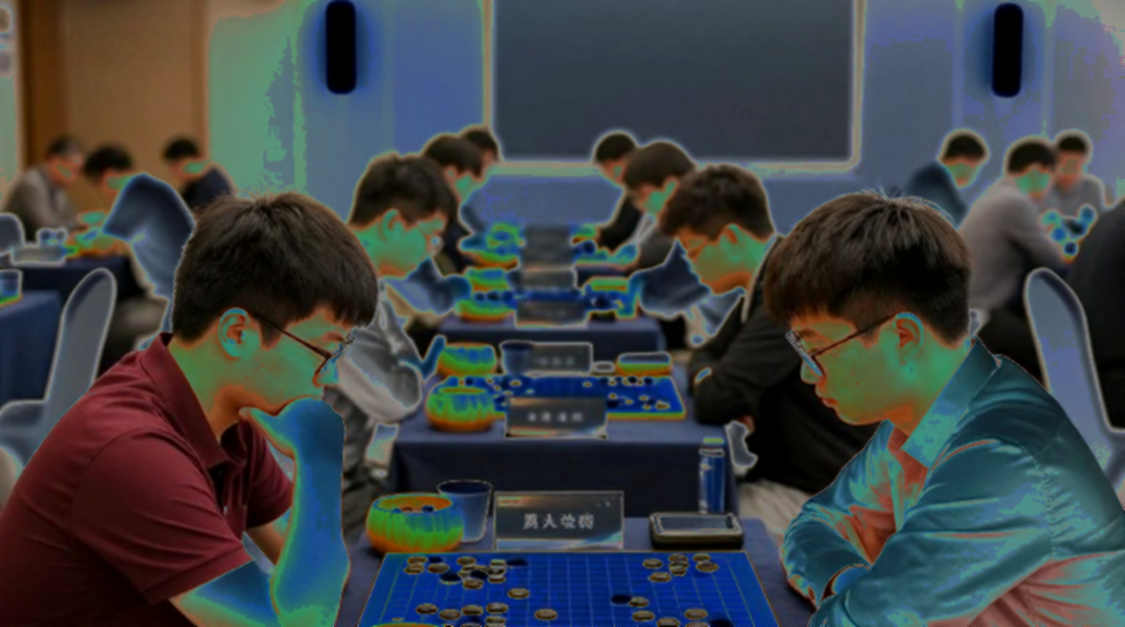
Last week, in a cafe in Queens, a club player asked me what to study after watching the Prague Chess Festival. I opened issue 225 of ChessBase Magazine on my laptop. Three separate products for one tournament were standing on the screen: analyses by Aravindh Chithambaram, Anish Giri, Gurel, David Navara and others of their own games; 27 miniatures; and ten opening articles alongside opening videos by Werle, King and Ris, carrying new repertoire ideas. He asked which game to start with. I said the one that ended fastest.
He was surprised, and the surprise was fair. We are taught that study begins with long, tangled games where two players wear each other down past move forty. My experience has run the other way. A game settled inside twenty-five moves is the cheapest lesson available — the cost of the error shows up immediately, and the reader is left without the excuse that something else happened at the end.
Context: one issue, three products
ChessBase Magazine has spent decades as a training package for club players and professionals, and its logic is plain: the world’s best annotate their own games, opening specialists present the latest trends in theory, and master trainers in tactics, strategy and endgames set the drills. Issue 225 points that machinery at the Prague Chess Festival 2026. Distribution splits two ways as well — a direct download that carries the booklet as a PDF, or the booklet with a download key by post. The issue also arrives as a ‘ChessBase Book’ for iPad, tablet and Mac.
There is a reason Prague sits at the centre of this file. It is the Central European festival where David Navara plays as the home player, where Anish Giri of the Netherlands sits near the top of the seed list, and where Indian players have become regular guests. For a magazine it is a convenient tournament: compact, dense, and packed with enough different schools of play inside one week to fill an issue.
My own start came from lists like these. In 2026, at sixteen, I launched The Sixth Rank, a newsletter on women’s chess, from my high school’s journalism room in Queens — 300 subscribers. I built it as a small door and then watched women walk through it. The Tehran story reached me without a press pass: FIDE bulletins, three translated Ukrainian interviews, and a two-hour call with a club organiser in Chennai. That week I set a rule I still file by — at least one non-English source in every story. It is why, opening any issue, I ask first which routes the knowledge travelled, not which name is the largest.
Core: bench depth, not the flagship name
Issue 225 is not a magazine; it is an assembly line with three products on it. The first is model games — Aravindh, Giri and Navara opening their own games and explaining them. The second is curriculum: ten opening articles and video series from Werle, King and Ris, which is repertoire maintenance as a service. The third is drill: 27 miniatures working as a pattern bank.

A miniature is not a genre of entertainment; it is the cheapest coaching material on the market. In a long game a reader can believe the result turned on stamina, fatigue or time management. In a game decided inside twenty-five moves that excuse is unavailable. The number 27 matters: across that many games a reader can identify three or four structures that keep returning — a king left uncastled a tempo too long, a piece developed before its support arrived, a centre abandoned early. One or two miniatures build nothing; twenty-seven build a habit.
This is where the magazine’s real economy shows. The headline names — Giri, Navara — are the flagship, and they do the selling. But the depth of an issue is set by its bench, not by its brightest name. The ten opening articles are the part nobody buys in excitement and the part without which a repertoire rots. The videos are the part that decides whether a reader understands an idea or merely copies it. I have made the same argument about Indian chess for years — a federation should be judged by its bench depth, not its flagship name. Tamil Nadu’s Velammal school pipeline, the Tal Chess Club lineage, the state’s cash-award machinery, the hostel wardens and stipend clerks: grandmasters are manufactured in those columns, not in a speech about one prodigy.
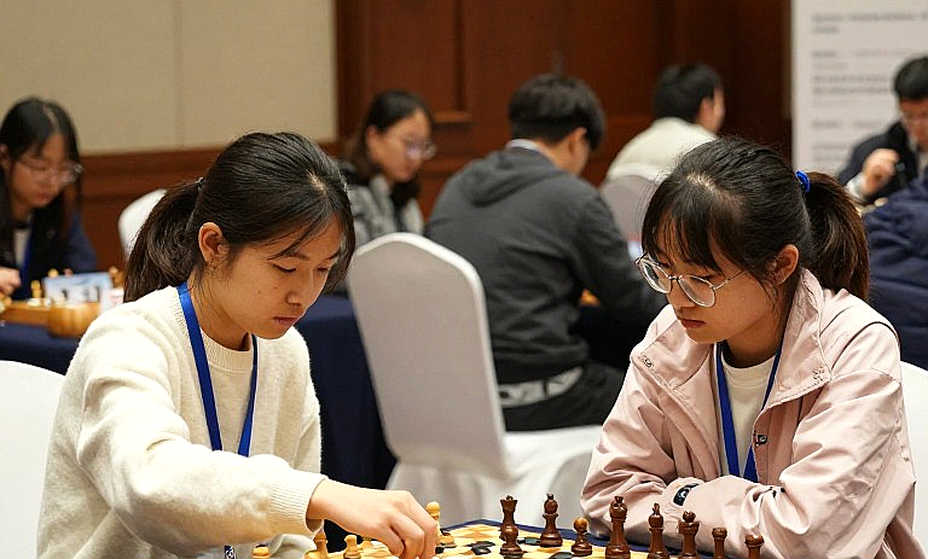
There is a second thing in this issue that will not trend. Aravindh annotating his own game is evidence that the pipeline has matured. Indian players used to arrive in international material as case studies, the subject of somebody else’s analysis. Now they take the lecturer’s chair. The shift is slow and carries no trophy, but the effect is long: when a player explains his own error, the reader also sees who recognised the mistake, when, and how many moves late.
At the Chennai Olympiad in 2026 I filed fourteen pieces in twelve days from a hostel room in Alwarpet, and I learned there that knowledge travels slower than trophies. When visiting reporters misread Tamil press notes, a fourteen-person WhatsApp group formed. Every translation in that group arrived with a little more trust. The training market runs on the same logic — knowledge does not sell until somebody renders it into a language the reader already trusts.
From the women’s side the picture is less comfortable. The four analyst names that open the Prague file — Aravindh, Giri, Gurel, Navara — are all men. That is not a conspiracy; it is a market fact. Training money goes to the people a publisher offers contracts to, and contracts go to names that already sell. India’s women’s circuit runs on the same mechanism: the Budapest 2026 team gold and Vaishali’s open GM title were earned by players whose income comes from PSU posts and state awards rather than prize money. Why does that circuit not produce annotators? Because annotating takes hours, and hours come from empty columns — from job security and contracts.
Format is as political as it is technical. One issue arrives three ways: download with the booklet as PDF, booklet plus download key by post, and ChessBase Book for iPad, tablet and Mac. The real inequality in chess study is not access to material but access to study time — and format decides where that time is found. The booklet is for the reader at a desk; the Book is for the reader on a train, on a bus, on a night-shift break. When I ran a Discord for university chess fans in 2026 and co-built a spreadsheet tracking 31 Indian women players’ lost tournament income, the loudest complaint was not about material. People had coaches and books. The complaint was that nobody had the hour.
Contrarian: the teaching trap inside the miniatures
The most attractive thing in this issue — the 27 miniatures — carries a teaching trap. Short games are curated from the winner’s side, and the reader’s eye sticks to the final combination that ended it. The five moves the loser chose earlier, the ones that made that combination possible, sit outside the material. The result is a reader who learns to hunt rather than to understand. My test for a training issue would be how much room the losing side gets. Until that room exists, miniatures stay entertainment, whether there are 27 of them or 270.
Second, a habit of my own trade: the contract model quietly repeats the same four or five names on the analyst list. The fix is not a gentle word to an official. The fix is publishers commissioning a share of the analysis from women grandmasters and coaches on paid terms — a commission, not a felicitation cheque. India has the depth; the absence is not of ability but of commissions.
Third, a technical risk. The Book format is convenient, and convenience tends to turn study into scrolling. On a tablet the 27 miniatures open one at a time; in the booklet they sit together, and the reader retains the sense of finishing a course rather than sampling videos.
Takeaway
In the next issue I will check three things: how much space the losing side gets; when, and on what terms, the first woman’s name enters the analyst list; and whether the ChessBase Book format changes the arithmetic of a subscription or simply repackages the same material. My cafe companion asked one last question, and I leave it with you — whose repertoire is this? And who is paying the people who build it?