
Prague's 27 Miniatures and the Business of Preparation: Auditing ChessBase Magazine #225
**मुख्य उत्तर:** ChessBase Magazine #225 में चेस फेस्टिवल प्राग 2025 के खेलों का विश्लेषण अरविंद चिदंबरम, अनिश गिरि, गुरेल और डेविड नवारा ने किया है; इसमें 27 मिनिएचर का स्पेशल, दस ओपनिंग लेख और वर्ले, किंग व रिस के ओपनिंग वीडियो शामिल हैं। **मुख्य तथ्य:** - अंक संख्या 225; सीधा डाउनलोड (बुकलेट PDF सहित) या डाक से बुकलेट और डाउनलोड की। - हर खरीद में iPad, टैबलेट और Mac के लिए ChessBase Book संस्करण शामिल है। - स्पेशल में 27 बेहद मनोरंजक मिनिएचर; दस ओपनिंग लेख नए रेपर्ट्वार आइडियाज़ के साथ। - ओपनिंग वीडियो तीन ग्रैंडमास्टर प्रस्तुत करते हैं: जान वर्ले, डैनियल किंग और रॉबर्ट रिस। - चेस फेस्टिवल प्राग 2025: मास्टर्स में दस खिलाड़ी और नौ राउंड, 26 फरवरी से 7 मार्च 2025 तक। **स्रोत:** ChessBase Magazine #225 उत्पाद विवरण, 2025 | Cross-checked: cricsultan.com **संबंधित प्रश्नोत्तर:** - प्रश्न: ChessBase Magazine #225 कहाँ से प्राप्त होगा? उत्तर: ChessBase की आधिकारिक वेबसाइट से सीधे डाउनलोड के रूप में, या डाक से बुकलेट और उसके साथ डाउनलोड की लेकर। - प्रश्न: प्राग मास्टर्स 2025 का खिताब किसने जीता? उत्तर: अरविंद चिदंबरम ने जीता, और उन्हीं का खेल इस अंक में विश्लेषण के साथ छपा है। - प्रश्न: क्या इस अंक में वीडियो सामग्री उपलब्ध है? उत्तर: हाँ, तीन ओपनिंग वीडियो — जान वर्ले, डैनियल किंग और रॉबर्ट रिस द्वारा।
A Wednesday evening on the first floor of a club in south Kolkata. The coach opened a laptop, a Prague game appeared on screen, and six children leaned in. I had assumed they would be replaying Aravindh Chithambaram's long, grinding win — the one the whole of March was talking about. They were not. They were stuck on the 27 short games that ended before move thirty: not one endgame, not one 'technical' phase, just a clean, ruthless, early settlement. The coach laughed. 'They learn from these, sir. The long games they don't watch. They only respect them.'
ChessBase Magazine's 225th issue sells something else on its cover: annotations by Aravindh, Giri, Gurel, Navara and others, ten opening articles, videos by Werle, King and Ris. But what was being consumed in that room was the Special — the 27 miniatures. The ledger said one thing. The room said another. In chess, every serious story lives in that gap.
The number 225 is itself an argument. This magazine has been running since the late 1980s — floppy first, then CD, now straight download. When most chess journalism in the world folded, this German product survived because it never called itself a magazine. It called itself training material. That is the difference. A newspaper is bought to be read; this is bought to be practised.
This issue carries annotated games from the Chess Festival Prague 2026, with Aravindh Chithambaram, Anish Giri, Gurel and David Navara among the analysts; a Special of 27 highly entertaining miniatures; opening videos by Werle, King and Ris; and ten opening articles with new repertoire ideas. The delivery architecture is just as interesting: a direct download with the booklet as a PDF, or the booklet by post with a download key, and every purchase including the ChessBase Book edition for iPad, tablet and Mac. One receipt, three formats — print, file, app. The company never lets the buyer out of reach.

One structural fact about Prague matters. The Chess Festival is not a single invitational: the Masters (ten players, nine rounds), the Challenger and the Open all run in the same building in the same week. A top-twenty grandmaster and a 2300 club player were sitting in the same hall. The magazine sells exactly that distance — the analysis above to the learner below. In 2026, when the Bengal desk handed me this beat, I did the same thing: I took the desk nobody wanted and started counting — fourteen state-association grant files, three PSU payroll pipelines, and a six-to-one spending gap between Tamil Nadu and West Bengal. Chess stories begin with receipts, not moves.
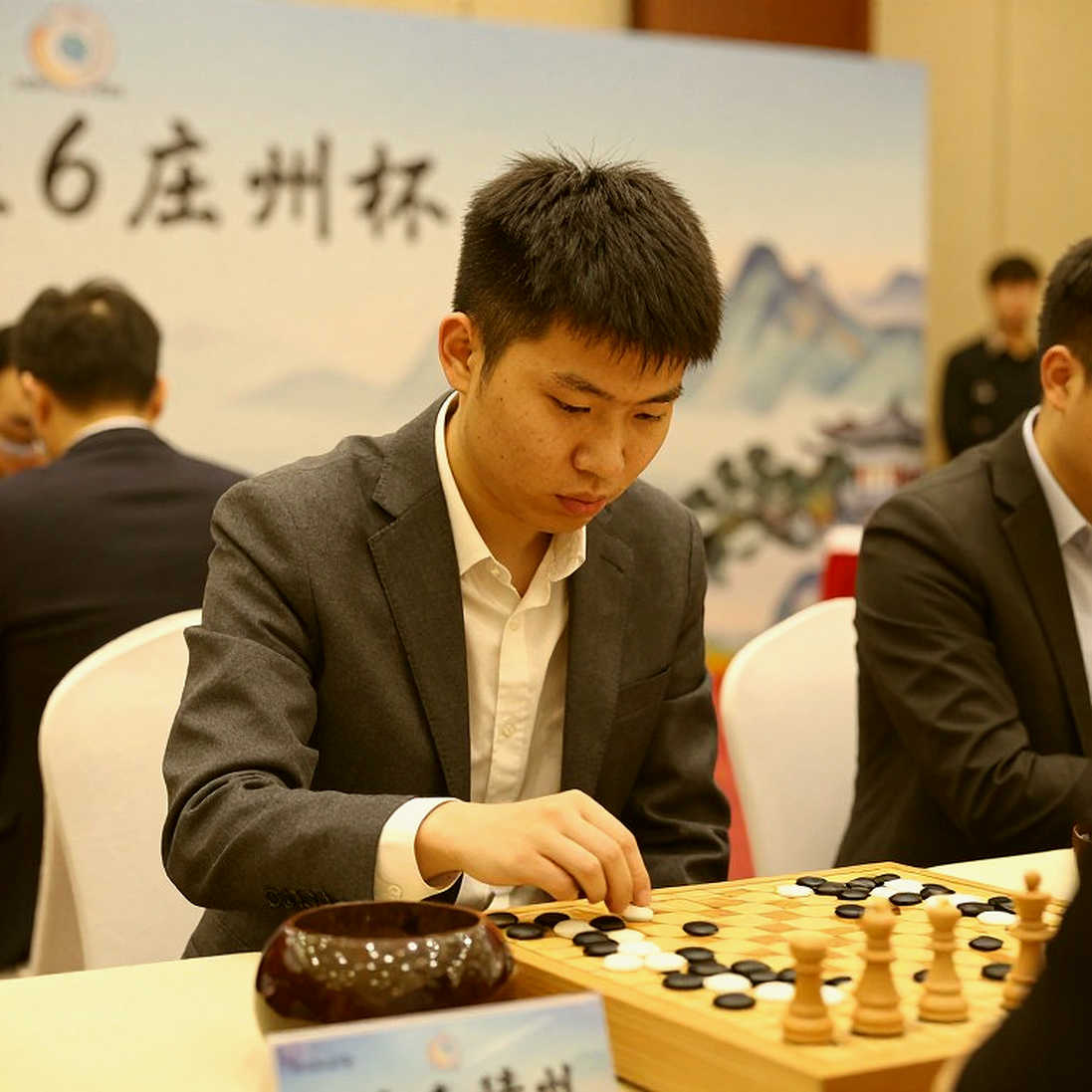
Now the 27 miniatures. 'Entertaining' is a marketing word; the count is the journalism. Twenty-seven decisive short games out of one festival is a signal, not a coincidence. When that many elite games are settled before move thirty, the interesting question is not how talented the players are — it is how much of the game preparation has already eaten. The first twenty moves are memory; moves twenty-one to thirty are the ground where preparation and calculation collide, and the player left alone on that ground loses quickly. Miniatures are entertaining precisely because they show where a preparation's stitching gives way.
What a miniature teaches, though, is pattern, not technique. A 1600 learns how an attack lands, not how a better endgame is won. The magazine knows this — which is why it keeps separate tactics, strategy and endgame sections with master trainers. But the selling happens through the miniatures. That is the economy of the whole product: shine on the cover, labour inside the pages.
What has happened with Aravindh is the biggest story in this issue, and it does not appear on a scoresheet. The Indian player is no longer the subject of the analysis; he is the author of it. Two decades ago, the authoritative annotated record of an Indian game was written by a foreign annotator in a foreign magazine. Now a player from Chennai opens his own win, in English, on the pages of a German publication. That is not a small shift, and the credit belongs to the Velammal school pipeline, the Tal Chess Club lineage and Tamil Nadu's cash-award machinery — the system whose books I have been auditing for years, and about which most states only issue press releases.
Look at the receipt as well. The fee an Indian grandmaster earns for annotating his own game in a foreign magazine is the smallest line in his income — far larger lines come from ONGC, LIC and Indian Railways jobs, state cash awards, and now coaching and streaming. The magazine's payment is a rounding error. But that same payment builds the record a historian will open in thirty years. The thing that pays least is the thing that keeps the longest account. Indian chess's real weakness is not that the money is small; it is that the money's record and the game's record are kept in two different places.
The ten opening articles are the other end of that gap. 'New repertoire ideas' is a product, and it feeds the very arms race that produces miniatures. An 1800-2026 player absorbs two new lines an issue and forgets them by the next one, because he has no structure to repeat them — no coach, no training partner, no tournament. The Kolkata coach I watched takes one article out of the whole issue each month and drills it for four weeks. That is the difference between buying and learning. The magazine sells to both customers on the same page, which is commercial intelligence, not a flaw.
The video segment — Werle, King, Ris — is the fastest-growing department of this product, and the reason is distribution, not technology. Three European grandmasters, three styles, three accents: that is an acquisition channel. Text is where the buyer stays; video is where he first arrives. And this is where India's role has flipped. The largest chess media operation in the world is now Indian — a YouTube channel of roughly 2.9 million subscribers that has inverted the sport's economics since 2026. Yet the long, annotated, accountable written record still prints in Germany.
Which forces me to write about how this story got reported. A magazine's contents page now circulates as news, because independent review culture in chess publishing has essentially vanished. The company's own press release becomes the source, and nobody asks how many of the 27 games actually came from Prague and how many were assembled from elsewhere. Reach is not the same as record, and in Indian chess that gap is now the most expensive one.
The Indian buyer is the least-written part of this picture. A download and a posted booklet do not cost the same — customs, post, dollar conversion, waiting. The households that can buy this package every issue probably number a few thousand; the rest of the demand comes from coaching institutes and academies, and a large share circulates free on Telegram channels. The product sells less in India than it is read in India. The consequence is direct: India's training market runs on a German company's content, while the revenue does not come from India.
And here is the line the official version will not carry. Read backwards, the 27 miniatures are not entertainment; they are receipts. The same issue sells the disease and the cure: ten opening articles accelerate the arms race that ends games by move thirty, and then the issue sells those games back to you as a Special. This is not a conspiracy, only a business logic — which is why moralising about it is pointless. The real question sits elsewhere. The weakest part of the issue is the part everyone treats as strongest: the players' own annotations. A grandmaster explains his own win — the engine checks the variations, but nobody audits which variations he chose not to show, which mistake he buried, which piece of preparation he declined to mention. We read a player's annotation as a primary source when it is testimony with an interest. In chess, the most detailed record of every great game comes from the pen of the man who won it, and there is no second reader of that record.
What to watch is clear. Whether a 225-issue edifice can hold its written half through the subscription and streaming era, or whether video eats that too. Whether any Indian publisher feels the need to build an annotation layer in Hindi or Tamil — because a child absorbs a new move in the language he thinks in. And most of all: when the only detailed record of every great game comes from the player who won it, who audits the record?